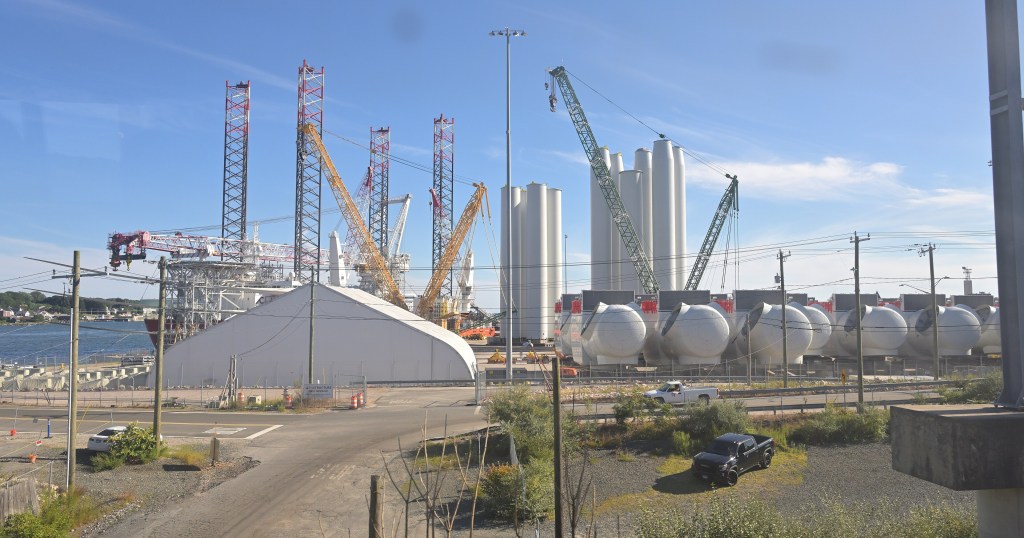
The offshore wind industry was projected to create 18,000 jobs in the U.S. and generate 55,000 MW of electricity, enough to power 21 million homes. (4300streetcar/Wikimedia Commons)
Listen to this story here
By Edwin J. Viera
Nov 18, 2026
After three years, Connecticut is getting energy from offshore wind.
The Revolution Wind offshore wind farm is now fully operational, providing 700 megawatts of electricity to 350,000 homes across Connecticut and Rhode Island, after two federal stop-work orders in 2025 slowed development amid broad pushback from the Trump administration on clean energy projects.
Anxhela Mile, staff attorney for the Conservation Law Foundation, said the projects will have major affordability benefits.
“These developers have contracted for the power to be supplied for 20 years within stable contracts, which is a stark contrast of what we’re experiencing with price shocks from fossil fuels and especially with the current events going around the world,” Mile pointed out.
The National Energy Assistance Directors Association reported Americans are projected to spend around $1,000 on home heating this year, a $66 increase from last winter. Other data show offshore wind can save New England residents $400 million a year in energy costs.
Though Revolution Wind has received positive feedback, long-standing challenges with the federal permitting process often delay projects for more than a decade. While the 2023 Fiscal Responsibility Act created a two-year deadline for environmental impact statements, some feel it is not enough.
Mile acknowledged the new Congress may not be able to get more offshore wind projects proposed.
“It’s because there still is quite a bit of discretion within the executive branch in terms of how these agencies can lease land for offshore wind. So, just in terms of the structure of administrative law, the current administration has obviously stated its opinion on offshore wind,” Mile noted.
The Trump administration has bought back leases for offshore wind projects in several states, including nearby New York. The deals aim to have renewable energy companies invest in fossil fuels instead. The Senate is considering a bill to speed up permitting but provisions in the bill to repeal key sections of the Endangered Species Act could prevent the bill from passing during the current Congress.