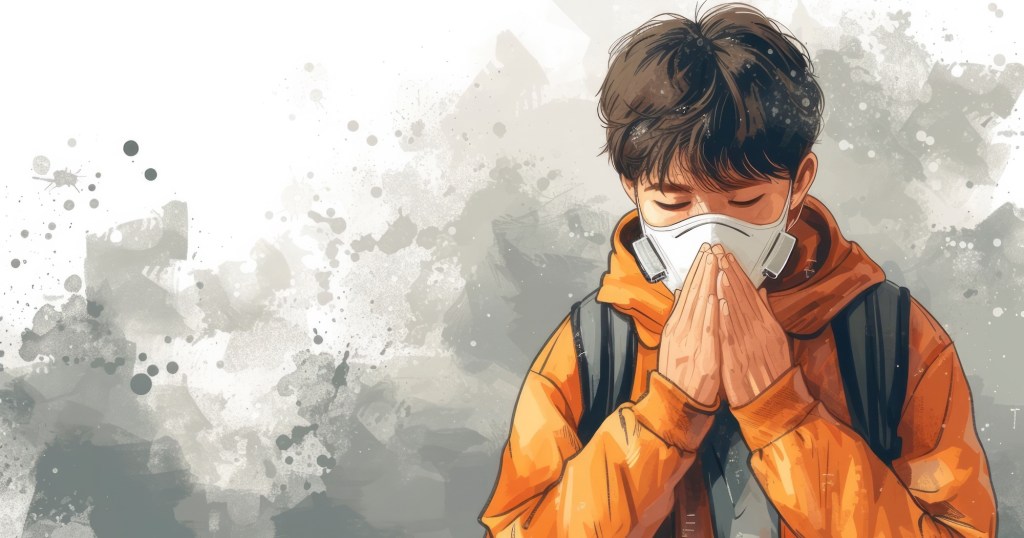
Air pollution from fossil fuels is known as the “invisible killer.” (AdobeStock)
Listen to the story HERE
By Roz Brown.
New Mexico has passed multiple laws to get oil and gas companies to mitigate or eliminate some sources of pollution. But results have fallen short, and lawmakers want a better fix.
Despite state rules, oil spills, methane leaks, and venting and flaring events are still frequent. Safety inspectors are difficult to hire and retain, because qualified individuals can get better pay in the private sector. In addition, the Permian Basin – where most drilling occurs – is enormous, and currently only two inspectors oversee around 56,000 facilities.
State Rep. Andrea Romero, D-Santa Fe County, said more enforcement is critical.
“Despite all, I think, best intentions, you just cannot meet the moment and the volume of inspections that need to be done on a site that is as large as the Permian Basin,” she said. “You cannot inspect at that volume with a handful of people.”
Romero acknowledged the oil and gas industry provides revenue to fund public schools, the state government and good-paying jobs. But she added that the toll on public health and the environment is significant. Abandoned oil and gas wells release methane and other co-pollutants, which can cause headaches, eye irritations, asthma and even cancer.
The Environmental Defense Fund estimates oil and gas methane emissions across New Mexico amount to at least a million metric tons per year.
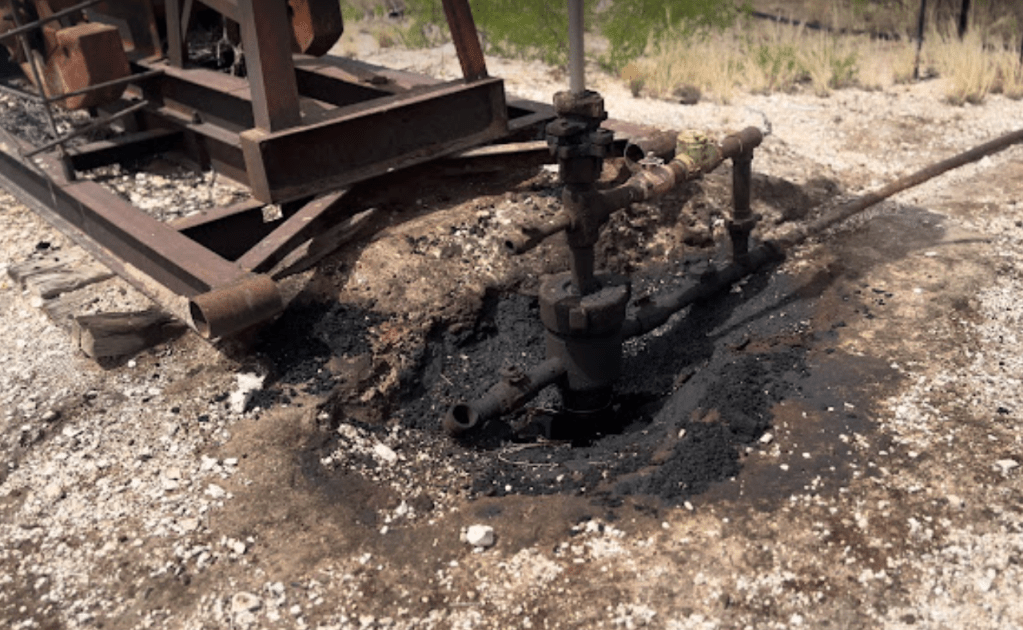
An illegal leaky well that lawmakers saw on their tour of oil and gas operations in the Permian Basin. Courtesy photo.
Earlier this month, legislators who belong to the group Elected Officials to Protect America toured the Permian Basin, noting oil spills, active flaring, saltwater disposal sites and a refinery. Sen. Antoinette Sedillo Lopez, D-Albuquerque, said they spotted a leaking well that was later cleaned up, based on their report, and another abandoned well with lengthy, unaddressed violations.
She said with only two state attorneys working on such cases, she supports training private attorneys to collect fines imposed on violators.
“It’s way overdue. because we can throw more money at the problem, but it violates the principle of the polluter pays,” she said, “and that’s why I really want to find a creative way to make the polluter pay.”
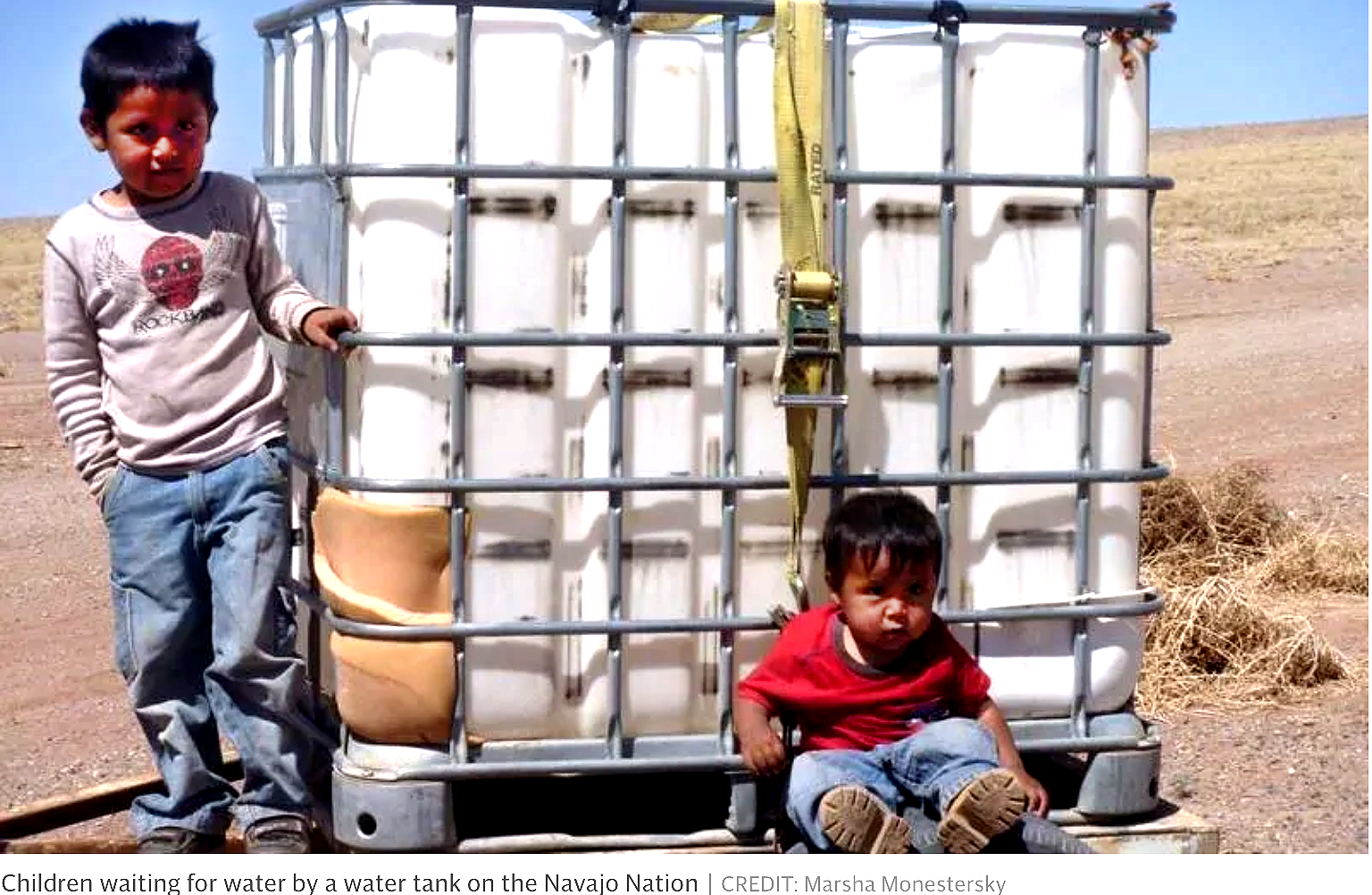
A map prepared by the Environmental Defense Fund shows nearly 150,000 people in New Mexico live within a half-mile of an oil and gas facility, including 20% of the state’s Indigenous residents.
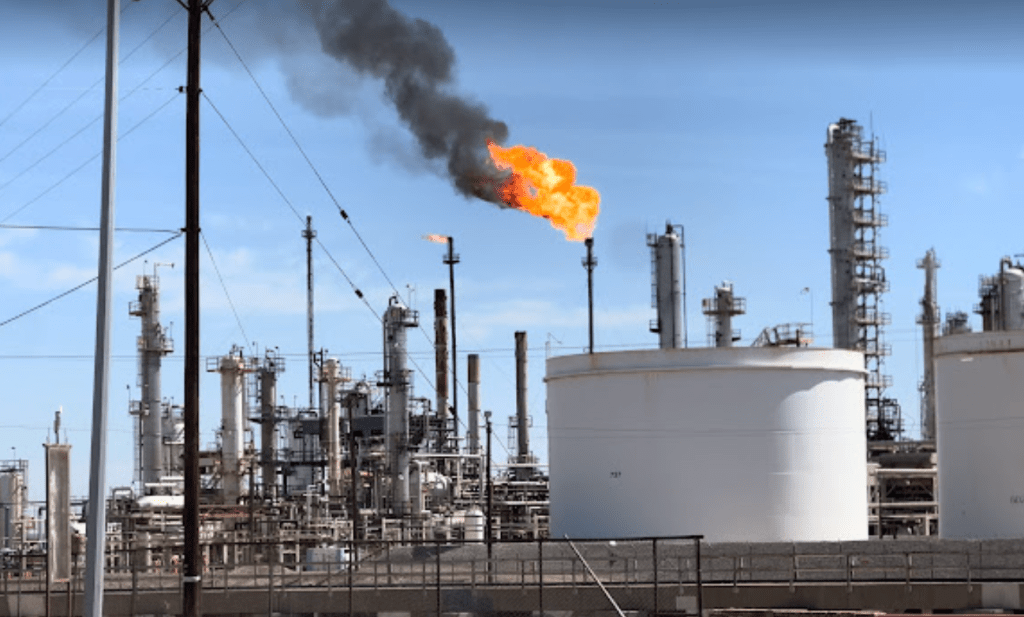
Open illegal oil/gas flaring that lawmakers saw on their tour of oil and gas operations in the Permian Basin. Courtesy photo