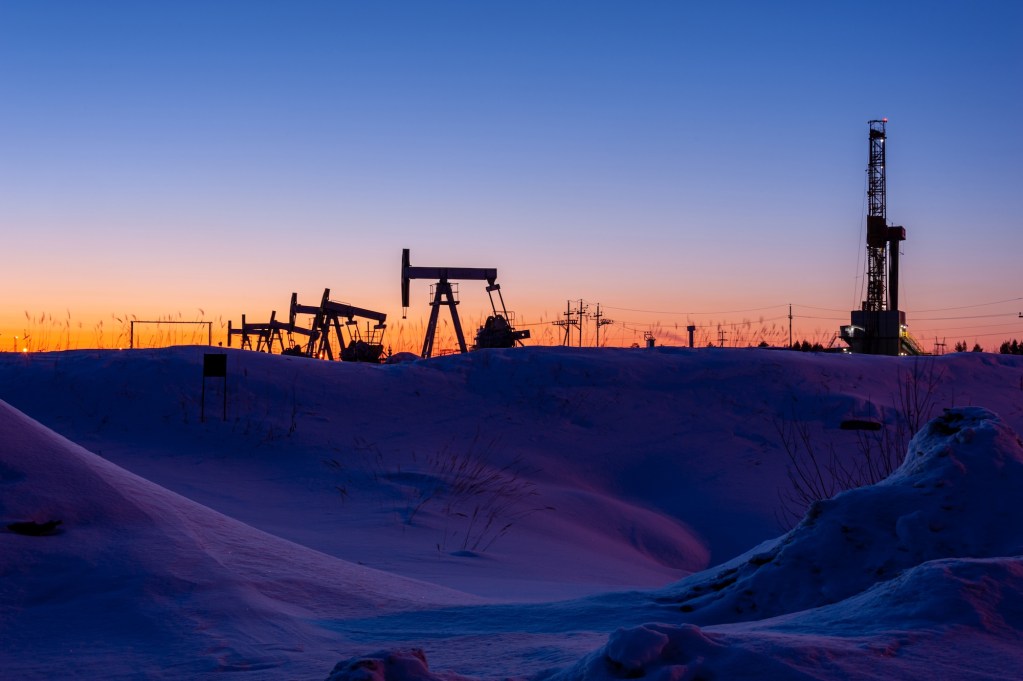
The oil and gas industry has known about the effects of their product on climate for more than 40 years but the industry has conducted misinformation and greenwashing PR campaigns, including labeling methane as “natural gas,” and coining the term “climate footprint” to shift the blame to individuals. (Adobe Stock)
Listen to the story HERE
Jan 27, 2026
By Eric Galatas
The nation’s largest lobbying arm of the oil and gas industry is calling on Congress to shield companies from a growing number of lawsuits and state laws passed to make the industry pay for the effects of pollution.
The American Petroleum Institute’s 2026 policy priorities include ending the expansion of climate “superfund” policies recently passed in Vermont and New York.
Claire Dorner, associate director of legislative and administrative advocacy for the Beyond Dirty Fuels campaign for the Sierra Club, said the new laws simply say if you make a mess, you need to clean it up.
“It isn’t fair that big oil and gas companies are continuing to rake in record profits while we pay the price for pollution and lives, literally paying the price,” Dorner contended. “We need to make them pay for their damages.”
Superfund laws have also been introduced in California, Maine, Maryland, Massachusetts and New Jersey but are not expected in Wyoming. The American Petroleum Institute called the new laws abusive and is urging Congress to intervene to “maintain U.S. energy leadership around the world.” The Institute also wants lawmakers to speed up permitting processes in order for the industry to make investments they said would strengthen the nation’s energy grid.
But taxpayers in Wyoming and across the U.S. are already making investments in the fossil fuel industry.
Toni Aguilar Rosenthal, senior researcher for the watchdog group the Revolving Door Project, said as working families struggle with the rising cost of housing, groceries and utilities, U.S. oil and gas companies currently receive more than $34 billion in government handouts every year.
“It’s really important to not just make polluters pay for the immensity of the damage and the harm that they cause,” Aguilar Rosenthal argued. “But also to stop public subsidies, which is billions of dollars every year.”
Dorner added the Institute’s goal of blocking state laws holding fossil fuel companies accountable is just the latest example of an industry kicking the true costs of climate change down the road.
“They’ve known since the 1970s that continuing to burn fossil fuels is going to lead to disaster,” Dorner pointed out. “They actively lied throughout the decades to try to maintain the status quo so that they can continue making their profits.”