September 22, 2026
By Ramona Cornell du Houx
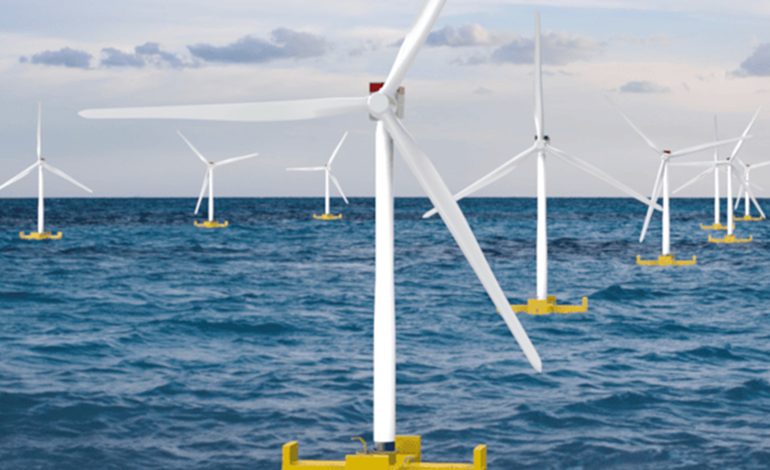
NEW YORK CITY — In a pair of lawsuits, filed in New York and Maine, attorneys general from the states claim the administration illegally used $1.4 billion in public funding to pay two companies that planned to build offshore wind developments on the East Coast to instead invest in fossil fuel plants in other parts of the country.
The attorneys general of New York, Connecticut, Delaware, Maine, Massachusetts, New Jersey, Rhode Island, and Vermont also filed two joint lawsuits today challenging additional lease buyouts.First, the states filed suit challenging lease buyouts between DOI and Invenergy subsidiaries that were announced at the same time as the California Invenergy buyouts and cover three leases off the coasts of New York, New Jersey and Maine at a total cost of over $653 million. The east coast states also filed a second suit challenging a $765 million lease buyout between DOI and Bluepoint Wind, LLC concerning a lease off the coast of New York and New Jersey.
California Attorney General Rob Bonta and the California Energy Commission (CEC) today filed a lawsuit against the Trump Administration and Invenergy, a California offshore wind leaseholder, over the Administration’s unlawful buyout of Invenergy’s California offshore wind energy lease. Under the alleged settlement agreement announced on June 17, 2026, the U.S. Department of the Interior (DOI) will unlawfully reallocate more than $111 million in federal taxpayer dollars to pay Invenergy to abandon its lease in the Morro Bay Wind Energy Area off the Central California coast.
The buyout also requires the company to cause its corporate affiliates to invest the same amount in out-of-state fossil fuel or geothermal projects that will do nothing to support California’s energy economy. If allowed to proceed, the taxpayer-funded buyout threatens to set back California’s offshore wind industry, undermining public investments in ports’ offshore wind capacity and damaging supporting industries and clean energy jobs that support working families.
In the lawsuit, California argues that DOI’s buyout deal with Invenergy violates the Constitution and numerous federal laws, including the Administrative Procedure Act (APA), Coastal Zone Management Act, National Environmental Policy Act (NEPA), Judgment Fund Act, and Outer Continental Shelf Lands Act (OCSLA), which is intended to give California a say in the offshore wind leasing program and prevent corrupt backroom deals.
“At a time when we need more reliable, clean energy, President Trump is trying to send $111 million to his fossil fuel industry friends and wants taxpayers and working families to cover the tab. This outrageous abuse of taxpayer dollars will damage the offshore wind industry and create unnecessary obstacles to clean and reliable energy powering our homes and economies,” said Attorney General Rob Bonta. “During Climate Week and all year round, we’re focused on sustainable energy, mitigating environmental impacts, and taking action when our clean energy future is attacked. California is not here to foot the bill — we have the receipts and we’re asking the court to strike down this blatantly unlawful deal.”
“As leaders gather for Climate Week NYC to discuss the urgent need for clean, domestic energy, the Trump administration is unlawfully using taxpayer dollars to coerce companies to abandon it,” said California Energy Commission Chair David Hochschild. “California is challenging these reckless and illegal backroom deals and holding the companies that participate in them accountable. We will vigorously defend clean energy and the good-paying jobs and economic opportunity that are at stake for our communities.”
California’s offshore wind strategic plan calls for the state to develop 25 gigawatts of offshore wind power by 2045, enough to power roughly 25 million homes and provide about 13% of the state’s electricity supply, to accelerate California’s clean energy transition, create local manufacturing jobs, and drive economic development. Since federal offshore wind energy development planning began off California’s coast a decade ago, the state has worked with federal agencies, developers, tribes, labor groups, ports, fishermen, local governments, and communities to prepare for offshore wind development. California has invested more than $100 million to ready California’s ports, transmission systems, and industries to support offshore wind generation. Cancelled offshore wind projects threaten to deprive California of more than 174,750 jobs, infrastructure investment, and long-term economic development.
This agreement marks another step in the Trump Administration’s ongoing attempt to cancel offshore wind projects and replace them with fossil fuel energy projects, including lease buyout deals with Golden State Wind LLC and RWE U.S. Offshore. In 2022, after a competitive auction for offshore wind energy leases, Invenergy paid the U.S. over $111 million to purchase an offshore wind lease in the Morro Bay Wind Energy Area off the Central California Coast for development of a project up to two gigawatts in capacity, with additional commitments of more than $30 million for workforce training, supply chain development, and benefits to local communities like fishermen’s associations.
But on June 17, 2026, DOI announced it would cancel the lease through a taxpayer-funded agreement with Invenergy that purportedly “settles” litigation that Invenergy never brought, challenging action that DOI never took. DOI claims that unspecified national security concerns justified a lease cancellation, even though the federal government previously reviewed and approved the lease area after years of analysis and consultation with the U.S. Department of Defense. In July 2026, the California Department of Justice and CEC sent a Notice of Intent to Sue, which provided a 60-day window for DOI and Invenergy to cure any violations before California filed suit to stop this unlawful buyout.
In today’s lawsuit, California alleges that DOI’s buyout deal with Invenergy violates numerous federal laws, including the OCSLA and APA, because it uses a sham settlement to bypass the rules that Congress set down for the offshore energy leasing program, including stakeholder participation rights for affected states like California and a cap on how much the government can pay to a developer when it cancels a lease. California also argues that the deal violates the Judgment Fund Act, federal funding laws, and the Constitution because the $111 million payment was not a settlement to resolve an existing lawsuit. Instead, it was a fabricated arrangement designed to justify the unlawful cancellation of another offshore wind lease. California is asking the court to strike down the blatantly unlawful agreement and to stop the administration from implementing this illegal deal.
“Americans are facing increasing energy costs because this administration would rather pay off energy companies than let us build the new power sources we need,” said New York Attorney General James. “These illegal backroom deals take money that should have gone toward lowering New Yorkers’ bills and hand it to fossil fuel projects in other states, all while our energy demand continues to grow. At a moment when every available resource should go to keeping the lights on and prices down, this administration is choosing corruption over communities. We will fight until these unlawful deals are struck down.”
Today’s first lawsuit challenges the U.S. Department of the Interior’s (DOI) deal with Bluepoint Wind, which canceled the company’s lease off the coast of New York and, in exchange, paid Bluepoint $765 million from the Judgment Fund, a taxpayer-funded account reserved for legitimate legal settlements. Instead of building the offshore wind farm New York was counting on, Bluepoint will use the money to build a liquefied natural gas facility and has committed not to pursue future offshore wind developments in the United States.
“The Trump administration’s unlawful pay-to-not-play scheme to pressure companies to forego planned offshore wind projects in America is an outrageous abuse of taxpayer dollars that hurts our ability to meet our energy needs, reduce emissions, create good paying jobs, and help secure American energy independence,” said New York Governor Kathy Hochul. “Working with Attorney General James and the seven other AGs who filed this lawsuit, we will continue to fight back against the unending war against clean energy being waged by this President and his Republican allies to ensure a healthier and cleaner future that allows us to keep the lights on and costs down here in New York.”
In the second lawsuit, the attorneys general are challenging DOI’s deal with Invenergy, which canceled three offshore wind leases, including one off the coast of New York, and paid the company $653 million from the same fund. Under the deal, Invenergy will not build a single wind turbine. Instead, it will redirect the $653 million to natural gas plants in Indiana, Wisconsin, Iowa, Kansas, and Missouri and geothermal projects in the western United States, none of which will deliver a single watt of power to New York.
The two canceled New York projects alone were expected to bring more than $16 billion in investments to New York and create more than 2,800 new jobs in the state. The canceled projects would have connected directly to New York City’s electric grid, providing a new source of electricity at a time when the state anticipates significant growth in demand. Combined with the other two Invenergy leases, the canceled projects were expected to generate over eight gigawatts of electricity, enough to power more than four million homes.
The cancellations come as New York’s own energy planners project electricity demand will grow eight percent by 2030 and 24 percent by 2040, driven in part by economic development and new large loads such as data centers. At the same time, aging fossil fuel generators are approaching retirement, making new sources of power essential to meeting growing demand and maintaining grid reliability. If the administration deprives the Northeast of new energy generation while demand continues to outpace supply, electricity scarcity and grid congestion will worsen, which could increase energy costs for consumers.
The attorneys general of New York, Connecticut, Delaware, Maine, Massachusetts, New Jersey, Rhode Island, and Vermont also filed two joint lawsuits today challenging additional lease buyouts.