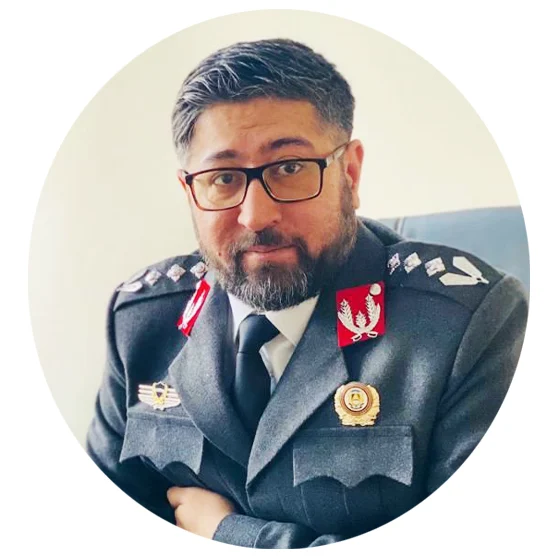
Op-ed by Naweed Kawusi, Elected Officials to Protect America (EOPA) Chief Operating Officer, fmr. Afghanistan National Army colonel. fmr. Director General of Police Support for Afghanistan Ministry of Interior Affairs, fmr. USAID Senior Advisor, fmr. UNICEF, Senior C4D Officer.
When the United States withdraws from global climate agreements, the damage goes far beyond emissions targets and diplomatic communiqués. For countries already living with the consequences of the climate crisis, the American withdrawal is not an abstract legal maneuver. For example, what happened to my country of Afghanistan is evidence that responsibility is optional, commitments are reversible, and power carries no obligation.
The U.S. decision to exit the United Nations Framework Convention on Climate Change is often debated as a Constitutional or procedural question: Can a U.S. President withdraw unilaterally? Can a future one rejoin just as easily? These debates matter, but they miss the deeper truth. Climate withdrawal represents an ethical abdication by the world’s second largest historical emitter and a strategic self-inflicted wound that is steadily destroying the American credibility while clearing space for rivals to lead.
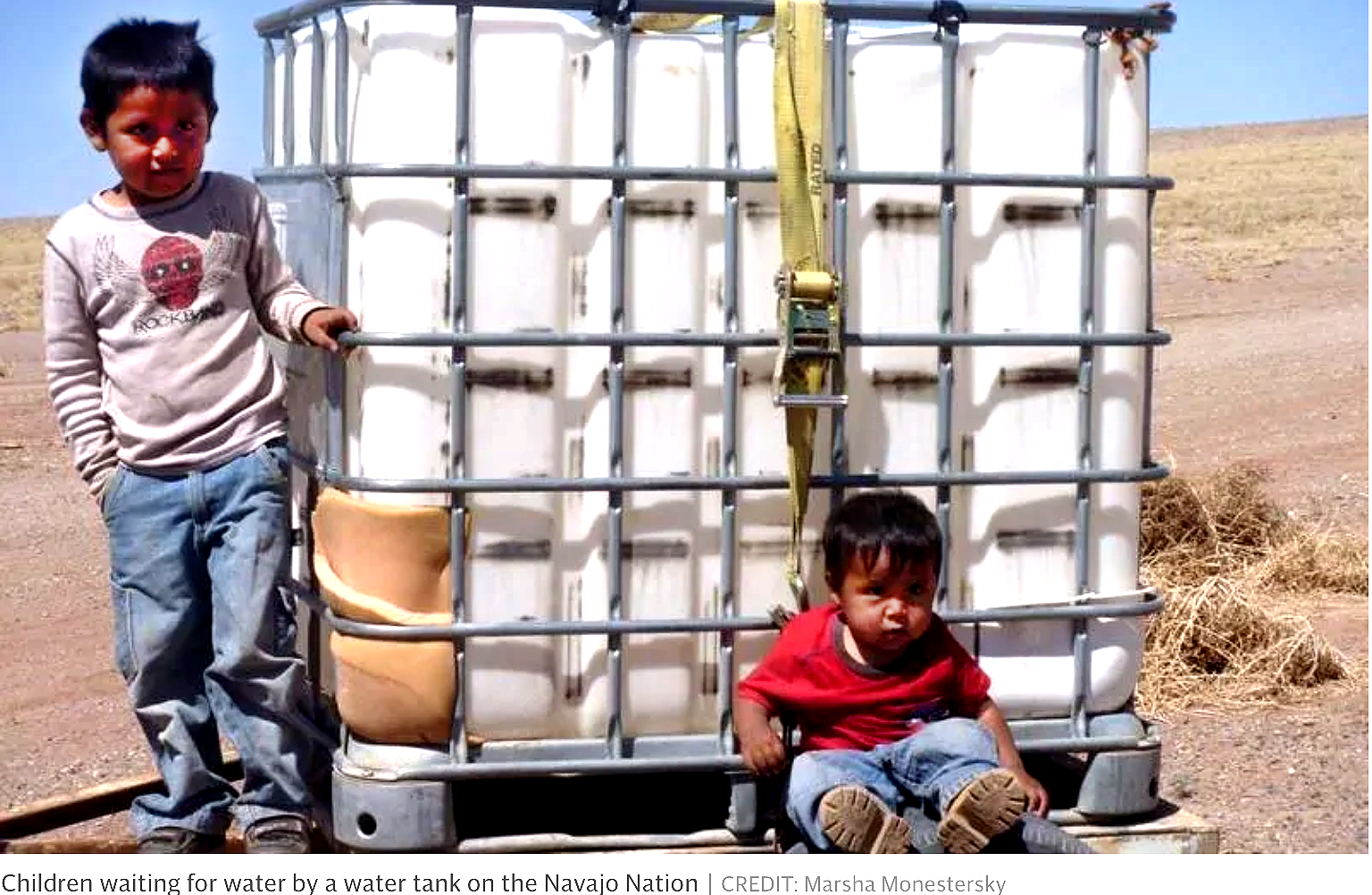
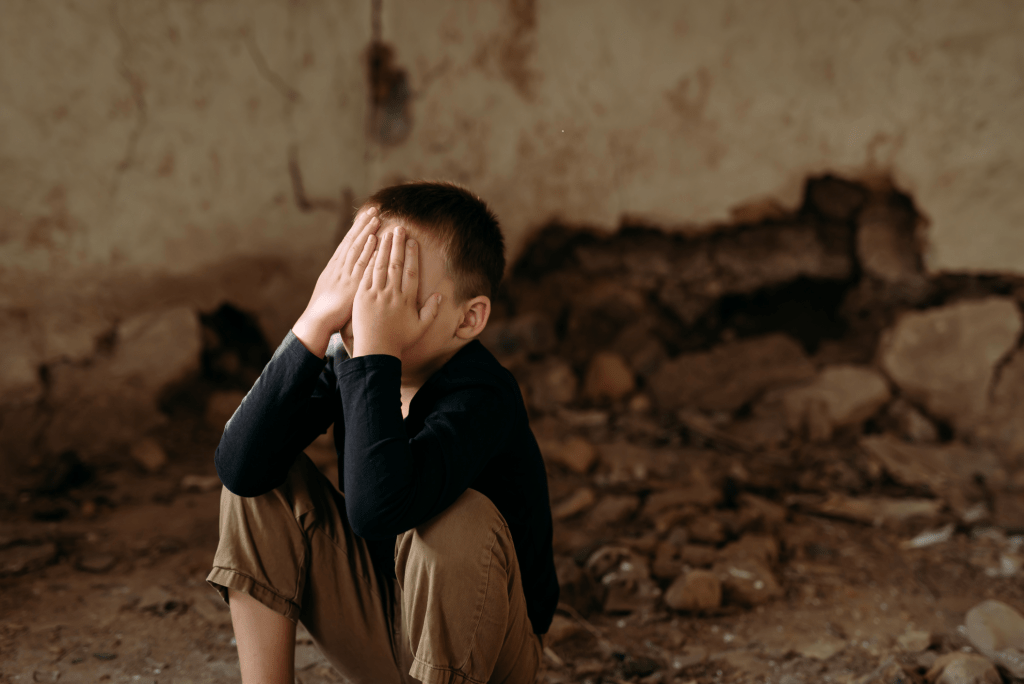
For climate-vulnerable countries, the consequences are immediate and unforgiving. Afghanistan contributed almost nothing to the climate crisis, yet it is already experiencing prolonged droughts, agricultural collapse, and displacement driven by environmental stress. Just recently Kabul was identified as being on the verge of being the first city in modern history to go completely dry. Global warming is not an isolated phenomenon there. It accelerated conflict, fueled migration, and played a critical role in replenishing the ranks of Taliban and weakening the novice Republic of Afghanistan and its democratic aspirations. When the United States steps away from the global framework designed to address these realities, it is not simply “opting out” of diplomacy, it is withdrawing from shared responsibility and giving up whatever – moral superiority it had.
This is what climate injustice looks like in practice: those who caused the least damage to the climate suffer first, while those who caused the most have the luxury to debate exit clauses.
But the cost is not borne by vulnerable states alone. The United States is also undermining its own strategic position. Global leadership does not disappear when America retreats, it is reallocated. The act of walking away from the United Nations Framework Convention on Climate Change (UNFCCC) made Washington forfeit its influence over climate finance, transparency rules, and long-term adaptation frameworks that will shape the global economy for decades. Others are eager to fill that vacuum. Others are standing in line and ready to pounce.
China, in particular, understands what American policymakers increasingly ignore: multilateral institutions are not constraints on power; they are instruments of it. As the U.S. has stepped back, China has stepped forward, positioning itself as a stable partner, a reliable financier, and a rule-shaper in climate governance. Leadership is not claimed through tweets, slogans or military strength alone. It is earned by showing up consistently when collective action is required.
The instability caused by repeated U.S. exits and reentries — what many now call “climate whiplash” — has its own corrosive effect. Allies cannot plan. Investors cannot trust long-term commitments. Vulnerable countries cannot rely on promised support. Each withdrawal teaches the world the same lesson: American commitments last only until the next election.
This self-inflicted destruction of credibility does not stay confined to climate policy. It spills into trade, security, migration, and human rights. If treaties can be abandoned at will, why should any partner believe U.S. assurances elsewhere? Reliability, once lost, is extraordinarily difficult to regain.
From Kabul to coastal Africa to the Pacific Islands, the message is already being received. The United States is no longer seen as a dependable steward of the international system it once championed. No more the leader of the Free World. That perception matters. In fragile states, where climate stress can tip societies toward conflict or collapse, the absence of credible global leadership creates space not just for rival powers — but for instability itself.
Defenders of withdrawal often frame it as sovereignty reclaimed and touting it as America First. In reality, it is but influence surrendered. Power that refuses responsibility does not project strength; it signals retreat.
The tragedy is that none of this is inevitable. The U.S. helped build the climate architecture it is now abandoning. It retains unparalleled economic, diplomatic, and scientific capacity to lead. But leadership requires more than capability, it requires continuity, humanity, and a moral compass.
For those of us from countries already paying the price of climate inaction, the stakes are not theoretical. The climate crisis compounds every existing injustice: war, poverty, displacement, and governance failure. In my country, thousands of farmers joined the ranks of Taliban because climate destroyed their crops and they had no choice but to join the extremist groups for the promise of food on the table for their families. When the United States steps away from global climate cooperation it is not merely changing policy. It is choosing which lives count, and which do not.
America can still return to the table. But credibility is not restored by reentry alone. It is rebuilt through sustained commitment, humility, and the recognition that global leadership is not about dominance, it is about responsibility. Until that lesson is relearned, others will lead. And the world — including the United States — will live with the consequences.