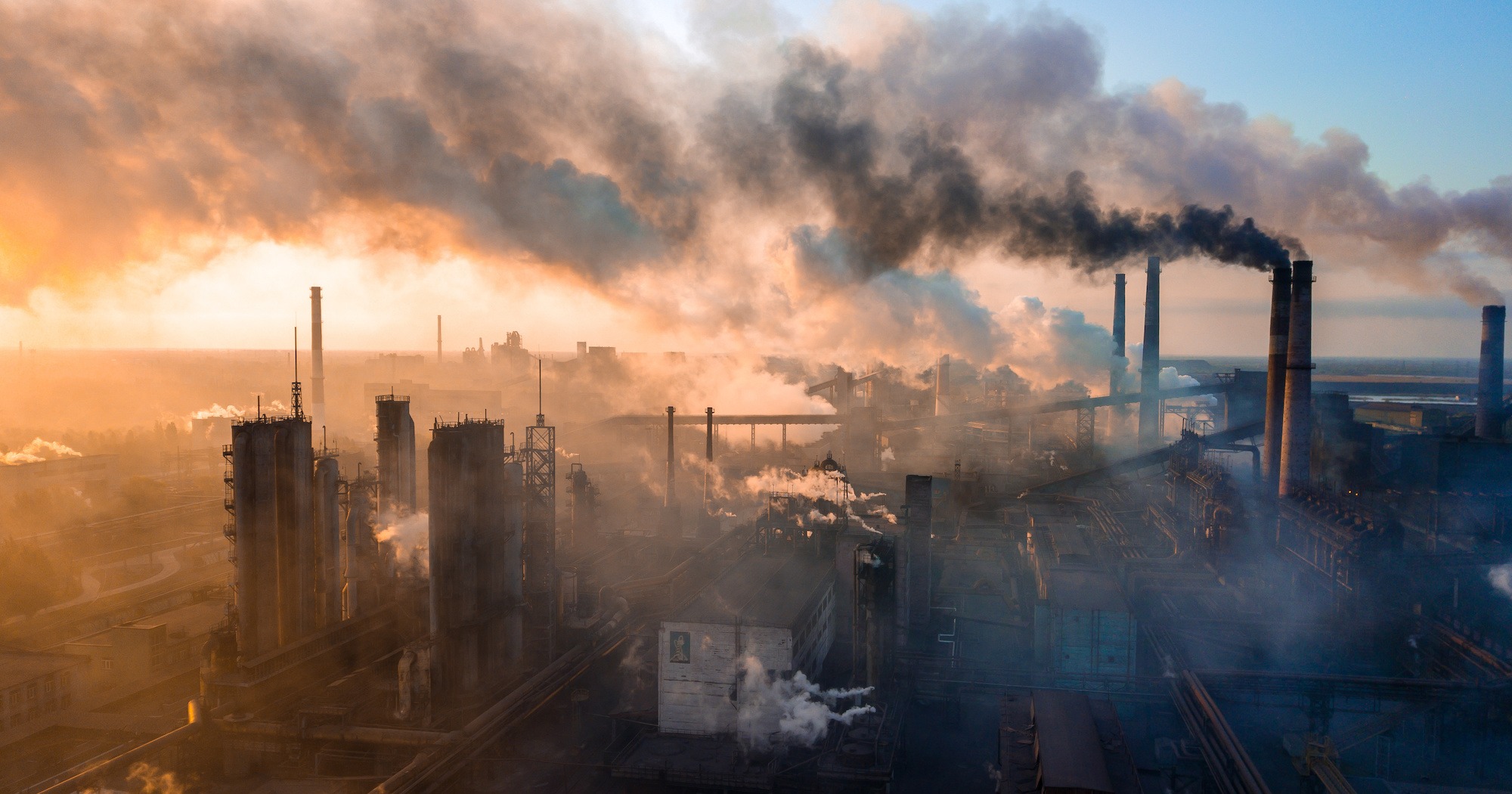
Maine’s climate commitments are to decrease greenhouse gas emissions by 45% (from 1990 levels) by 2030 and 80% by 2050, and achieve net-zero by 2045, according to the Acadia Center. (Adobe Stock)
Listen to th estory HERE.
By Kathryn Carley,
June 15, 2026
Climate activists in Maine said the Trump administration’s latest investment in coal-fired power plants will put the U.S. further behind in renewable energy development.
Federal officials said they will spend nearly $700 million to build, modernize and restart coal plants nationwide. The administration said the move will create more than 14,000 jobs and reinforce the reliability of the nation’s electric grid.
Amy Eshoo, director of the advocacy group Maine Climate Action Now, called the investment a step in the wrong direction as other countries invest heavily in solar, wind and battery technologies.
“We could be right there with them, and with this kind of backward support for the fossil fuel industry, it’s not going to happen, and that’s a shame,” Eshoo contended.
Eshoo pointed out nearly half of Maine households cannot afford their electric bills but offshore wind projects intended to help lower prices have been stalled by the federal government.
Maine officials have tied a number of extreme weather events in recent years to the burning of fossil fuels and a warming climate, with each event exceeding $1 billion in losses.
The Trump administration recently ended the regulation of greenhouse gases under the policy known as the Endangerment Finding, which provided the legal basis for climate regulations under the Clean Air Act.
Eshoo argued more emissions will exacerbate both the climate crisis and the accompanying health effects.
“We definitely want to be bringing down the amount of particles in our air, not increasing it, which burning coal would increase it,” Eshoo added.
Maine is often referred to as the “tailpipe of the nation,” as wind currents bring air pollution from Midwestern coal plants to the state. Studies show Mainers have significantly higher rates of respiratory illnesses, including asthma, with more than 20,000 children affected.
Millions of acres of federal land have already been targeted for increased coal mining as the administration aims to reverse what has been a decades-long decline in the U.S. coal industry.