

Op-ed by Patricia Gabriela Mota, Elected Officials to Protect America Fundraising Operations Officer
January 25, 2026

Photo: Patricia Gabriela Mota, Elected Officials to Protect America Fundraising Operations Officer
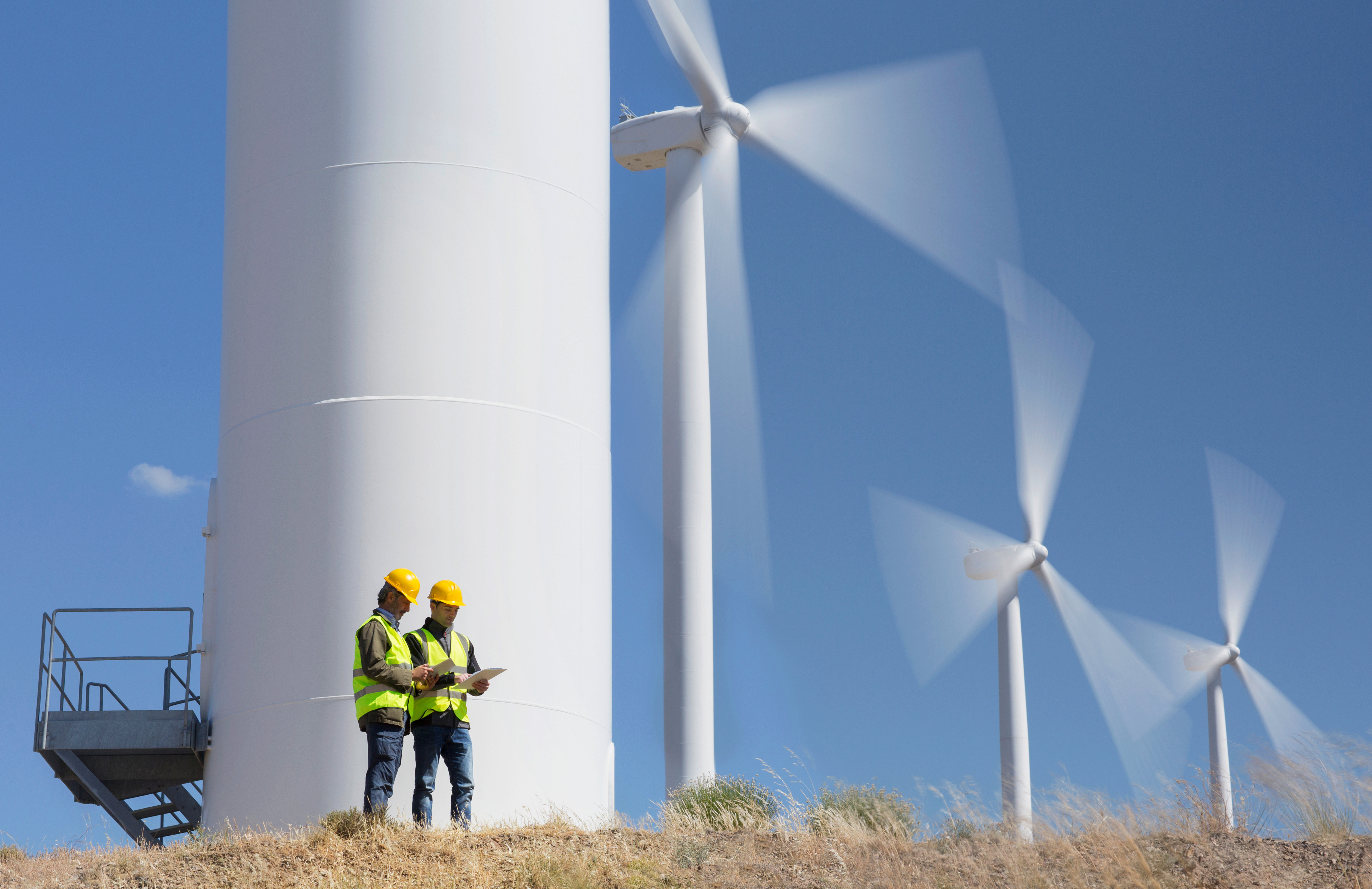
Piauí, a state in Brazil’s Northeast region, has emerged as a significant player in the country’s renewable energy landscape, particularly in wind power. With its vast open spaces and favorable wind conditions, the state has become a hub for wind energy projects, attracting both national and international investors. The Lagoa dos Ventos wind farm, for example, is the largest in South America and the most extensive facility operated by Enel Green Power globally. With 230 wind turbines and a capacity of 1.1 GW, it generates over 3.3 TWh annually, which supplies electricity to more than 1.65 million households and prevents 1.6 million tons of CO₂ emissions. However, despite this rapid expansion and potential for further growth, there is a looming challenge that threatens the full realization of Piauí’s wind energy potential: a severe shortage of qualified professionals.
The issue of skilled labor scarcity is not unique to Piauí or the renewable energy sector. It is a national concern that has been worsening in recent years. A survey conducted by ManpowerGroup revealed that in 2022, 81 percent of Brazilian employers reported difficulties in finding skilled labor, surpassing the global average of 75 percent. This talent gap affects various sectors, including construction, technology, and engineering, all of which are crucial to the development of wind energy infrastructure. The shortage is so severe that Brazil ranked second-to-last in a global ranking of talent availability. This lack of skilled professionals could severely hinder Piauí’s ability to expand its wind energy capacity, as the state struggles to find the necessary workforce to build, operate, and maintain its wind farms.
Adding another layer of complexity to this challenge is Piauí’s demographic profile. The state has the lowest percentage of migrants in its cities, with only about 9 percent of residents being non-native-born. São Paulo and Rio de Janeiro, in the Southeast, were the primary destinations historically for national migrants and immigrants, but recent trends show that the South and Midwest haves overtaken it as the regions receiving the most newcomers. This shift reflects broader changes in migration patterns, which may influence labor market dynamics across regions, including in states such as Piauí, in the Northeast. With fewer skilled professionals moving to Piauí, it makes it even harder for companies to find the talent they need. Therefore, unlike other industrialized regions that benefit from a steady influx of skilled labor from other parts of the country and abroad, Piauí has a much smaller external labor pool to draw from, intensifying the difficulty of staffing wind energy projects.
I had the opportunity to visit Piauí in 2014 and observed the wind power installations firsthand. The sight of the towering turbines against the backdrop of the state’s unique landscape was awe-inspiring. However, beyond the impressive infrastructure, I encountered a vast culture distinct from other regions of Brazil. Having traveled to various parts of the country, I expected some regional differences, but I was struck by the depth of cultural uniqueness in Piauí. From the way people interacted socially to different customs, everything felt markedly different from what I was accustomed to in the Southeast, South and Central-West – regions in which I have had the opportunity to live in. One of the surprising aspects was the extreme heat that I am not used to. Piauí has a Tropical wet and dry or savanna climate and the city’s yearly temperature is around 29.16 degrees, and increasing every year due to the climate crisis. The language itself was another factor. While I am fluent in Portuguese and it being the official language across Brazil, the accent, vocabulary, and even the rhythm of speech in Piauí were distinct, making it sometimes challenging to understand conversations. This cultural shock reinforced the diversity of Brazil, and the importance of considering regional differences when implementing large-scale projects.
The combination of challenges found in Piauí – especially regarding the severe talent shortage and a low migration rate – requires urgent action to ensure the continued growth of wind energy in Piauí. Addressing the skilled labor shortage demands a multifaceted approach. One of the most crucial steps is investing in local education and training programs to develop a workforce capable of meeting the demands of the renewable energy sector. Collaborations between government entities, educational institutions, and private companies can facilitate the creation of specialized courses and apprenticeships tailored to the industry’s needs. Programs focusing on technical training in wind turbine maintenance, electrical engineering, and construction could provide local workers with the skills necessary to fill these high-demand roles.
Moreover, while Piauí’s low migration rate is an obstacle, it also offers an opportunity to develop local talent. The state should focus on community engagement and providing incentives for residents to pursue careers in renewable energy. Scholarships, vocational training, and partnerships with global energy companies could help bridge the skill gap while ensuring that the benefits of Piauí’s wind energy boom are felt by its local population. In response to the shortage of qualified professionals needed for energy infrastructure projects, at the end of 2025 the state opened the first professional training center of Brazil dedicated to the energy transition – the Piauí Lineworker Training Center – aimed at training specialists essential for building and maintaining transmission lines that support renewable energy expansion. This initiative, supported by Elecnor and Senai with long-term investment and free training slots, is expected to prepare hundreds of workers per year and help bridge the skills gap in the sector.
Another potential solution is to create policies that encourage skilled professionals from other states or countries to move to Piauí. Tax incentives, housing assistance, and competitive salaries could make the state a more attractive destination for engineers, technicians, and other specialists needed in the wind energy sector. While it may take time to shift migration patterns, making Piauí a desirable place to work and live could help alleviate the labor shortage in the long run.
Piauí’s potential in wind power is undeniable. The state has the natural resources, infrastructure, and investment interest necessary to become a leader in Brazil’s renewable energy sector. However, without a sufficient workforce, this potential could remain underutilized. Addressing the skilled labor shortage requires a concerted effort from government agencies, private companies, and educational institutions. By investing in education, fostering local talent, and embracing the state’s unique cultural landscape, Piauí can position itself at the forefront of Brazil’s renewable energy future. The challenges are significant, but with strategic planning and investment, they are not invincible. The winds of change are certainly blowing in Piauí – it only needs the right workforce to harness them.