

Rep. Debbie Sariñana’s proposed legislation would curb industry excesses to ensure better health
January 23, 2024
New Mexico is the country’s second-largest oil producer and a top-10 natural gas producer.
While Governor Michelle Lujan Grisham has enacted some oil and gas production regulations, they have not curbed the production or the greenhouse gas emissions directly related to those operations. That production has led to negative health outcomes for New Mexicans.
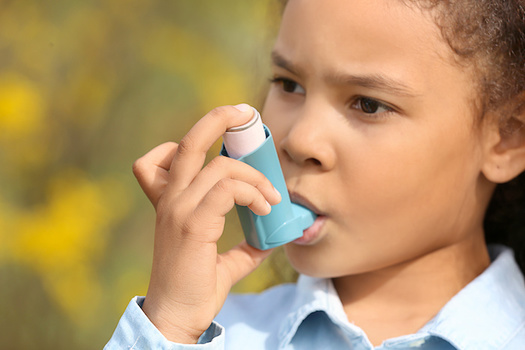
New Mexico State Representative Debbie Sariñana, Elected Officials to Protect America (EOPA) National Co-Chair, and Chair of EOPA’s New Mexico Leadership Council, has introduced three major bills that will ensure better health outcomes as they curb oil and gas pollution. Her proposed bills focus on stopping oil and gas spills, ensuring clean water, and securing safety zones around schools to keep children from getting sick from the pollution. The bills are expected to be in committee hearings soon.
Oil and gas extraction has pushed air pollution levels so high in southeast New Mexico that the Permian Basin region is now violating federal smog standards.
Over 144,000 people in New Mexico live within a half-mile of an oil and gas facility, including 20 percent of the state’s Indigenous residents. This half-mile threat radius is directly correlated with adverse health outcomes, including cancer, respiratory illness, fetal defects, blood disorders, and neurological problems stemming from chemicals associated with oil and gas production.
New Mexico State Representative Debbie Sariñana wants to create child health protection zones that bar new oil and gas operations of any kind within a mile of any school facility, and require that all existing operations within those zones end by 2028.
“The industry is aware of the research that proves how damaging living, working and/or going to school next to oil and gas wells is to our health. Across our state, towns in the middle of oilfields have schools next to fossil fuel sites,” said New Mexico State Representative Debbie Sariñana. “I taught school and middle school math. Right now we have over 34,000 kids who live within a mile of the gas and oil extraction site. So, that means they’re exposed to methane and CO2. It’s simple, kids shouldn’t go to school and get sick. Breathing in these toxins jeopardizes their futures while damaging their health and congestive abilities.”
Currently, analysis estimates that New Mexico’s oil and gas companies emit over 1.1 million metric tons of methane annually, which has the same short-term climate impact of 28 million automobiles. This also has the same near-term climate impact as 25 coal-fired power plants. Air pollution from fossil fuels is responsible for more than 13 percent of deaths in people aged 14 and older in the United States.
Oil production in New Mexico’s Permian Basin has increased nearly ten-fold since 2010, leading to a surge of devastating air, water, and climate pollution. Recently, fossil fuel companies have been investing more heavily in our Permian Basin because of Putin’s war in Ukraine. Analysts have predicted the region’s fossil fuel production will continue to grow faster than some of the biggest-producing countries in the world.
The most common form of extraction in the Permian Basin is from fracking, which requires using large amounts of water in the process. Rep. Sariñana’s bill would dramatically limit the use of fresh water in oil and gas operations and require detailed reports on how water is used.
“The oil and gas industry turns 14 billion gallons of water into toxic waste every year to drill, frack, and produce wells. This is equal to the amount of water used by 1/8 of New Mexico’s population,” said New Mexico State Representative Debbie Sariñana. “The state can’t afford this precious resource to be allocated for fossil fuel profits while the industry has put $10 billion in clean-up costs on the shoulders of New Mexico taxpayers. I hope to put an end to the industry using fresh water for their operations. With brackish water available they don’t need fresh water.”
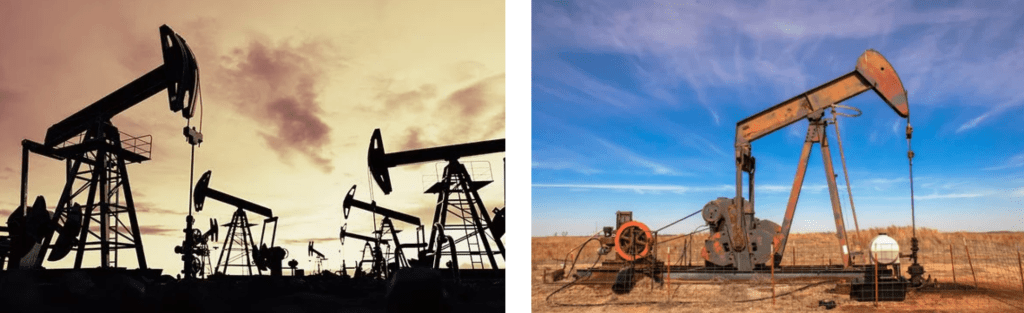
In 2022, New Mexico’s annual crude oil production reached an all-time high of about 574 million barrels, almost 9 times greater than it was in 2010.
Rep. Sariñana’s last bill would impose mandatory fines for spills of chemicals, oil and so-called produced water that comes up alongside oil and gas wells.
“Oil and gas operators spill toxic liquid waste an average of four times per day in New Mexico, endangering land, air, water and public health. Too often, these toxic spills affect streams, groundwater, and public lands. We’re in a mega drought, our farmers, our people shouldn’t suffer from a wasteful industry’s practices. We must protect our lands and water for future generations, and have the oil and gas industry pay for continued misuse of our natural resources,” said New Mexico State Representative Debbie Sariñana.
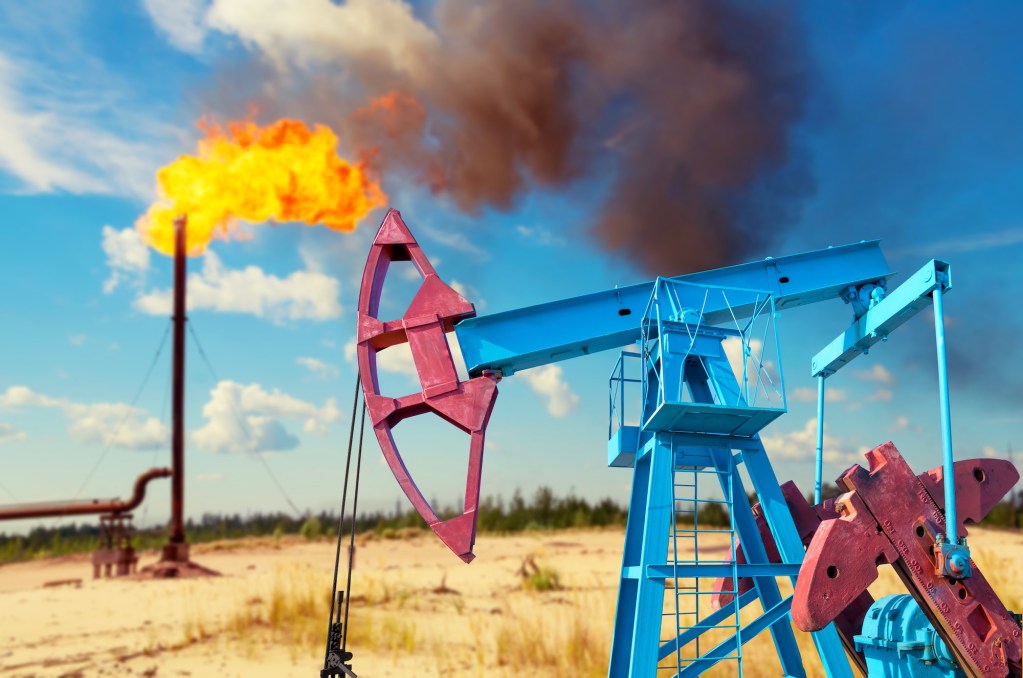
New Mexico has more than 62,000 oil and gas wells.
While Sariñana is the author of the bills, she stands with a coalition of lawmakers from EOPA’s NM Leadership Council who are determined to change how New Mexico gets energy from dirty fossil fuels. They are working to transition the state to clean renewables. The EOPA New Mexico Leadership Council is made up of 17 state lawmakers, the NM Land Commissioner, and a city council member. Other members of the legislature who are members of the EOPA New Mexico Leadership Council have introduced bills surrounding oil and gas pollution and mitigation.
“Holding the oil and gas industry responsible for pollutants that they’ve created, protecting children from these toxins and ensuring the people of New Mexico can use fresh water are critical. Elected Officials to Protect America is proud to be working with New Mexico State Representative Debbie Sariñana and the New Mexico Leadership Council to ensure a just transition to clean renewable energy. The state has a bright future in a clean energy economy where everyone prospers.” said Dominic Frongillo, Elected Officials to Protect America Executive Director & Co-Founder.
Listen to the story HERE