

April 25, 2024
By Ramona Cornell du Houx
Elected Officials to Protect America (EOPA) held a joint press conference on April 24 with lawmakers from New Mexico and California to highlight the health dangers of oil operations in their respective states. Fossil Fuel companies continue to leave behind wells that leak toxins and operate existing wells too close to public places. NM and CA elected officials have submitted legislation and are fighting to stop these oil company practices for the health of our people and planet.
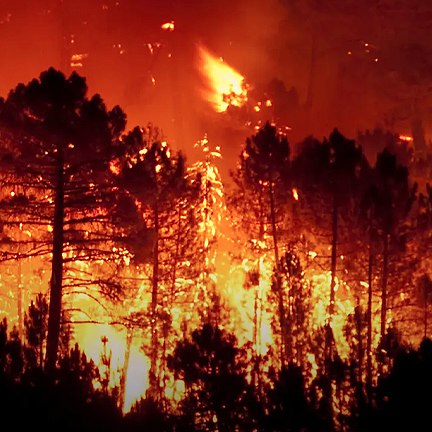
From fires, droughts, heatwaves to torrential rains and rising seas Californians are on the frontlines of the crisis. So is New Mexico gripped within a mega drought that has put precious water resources at risk, created heatwaves and increased fires. The culprit: increased greenhouse gasses mainly caused by the continued use of fossil fuels.
While these pollutants warm the planet, they are also killing people. A study from Harvard University, in collaboration with three English universities, found that one in five premature deaths globally can be attributed to fossil fuel air pollution.
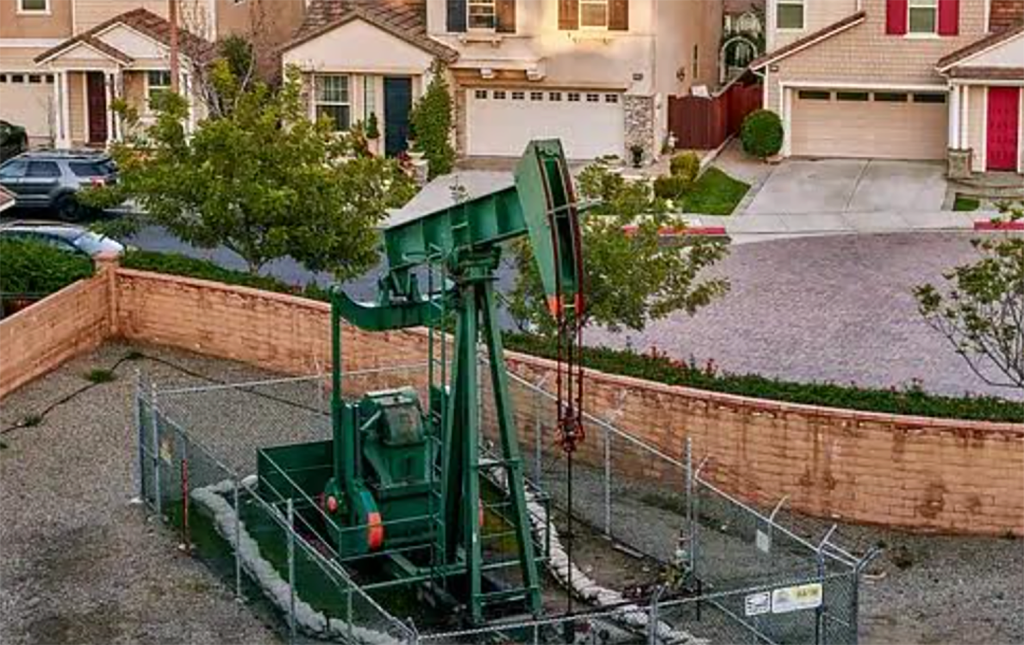
Across California and New Mexico, industrial oil and gas wells are operating just feet from homes, schools and hospitals, increasing community risks of asthma, preterm birth, cancer and premature death. Too many community members living near oil and gas wells are chronically ill, and too many have lost their lives due to the toxins they have to breathe daily. To make matters worse in these states oil companies have abandoned wells that leak methane— a climate super-pollutant over 80 times more climate-heating than carbon dioxide over the short term. Wells that leak methane likely also leak other dangerous air pollutants like benzene and volatile organic compounds.
“Holding the oil and gas industry responsible for pollutants that they’ve created is imperative. It’s a moral obligation to protect the people of California and New Mexico from these deadly fossil fuel toxins so they can live healthy lives,” said Dominic Frongillo, Elected Officials to Protect America Executive Director & Co-Founder. “Plugging idle wells and preeminently establishing safe zones around oil and gas wells are important steps that are long overdue. These states have a bright future in a clean energy economy where everyone prospers.”
Those who suffer from illness related to fossil fuel operations the most live in environmental justice communities.
California—
According to the Harvard study 34,000 people in California died in 2018 from fossil fuel air pollution prematurely.
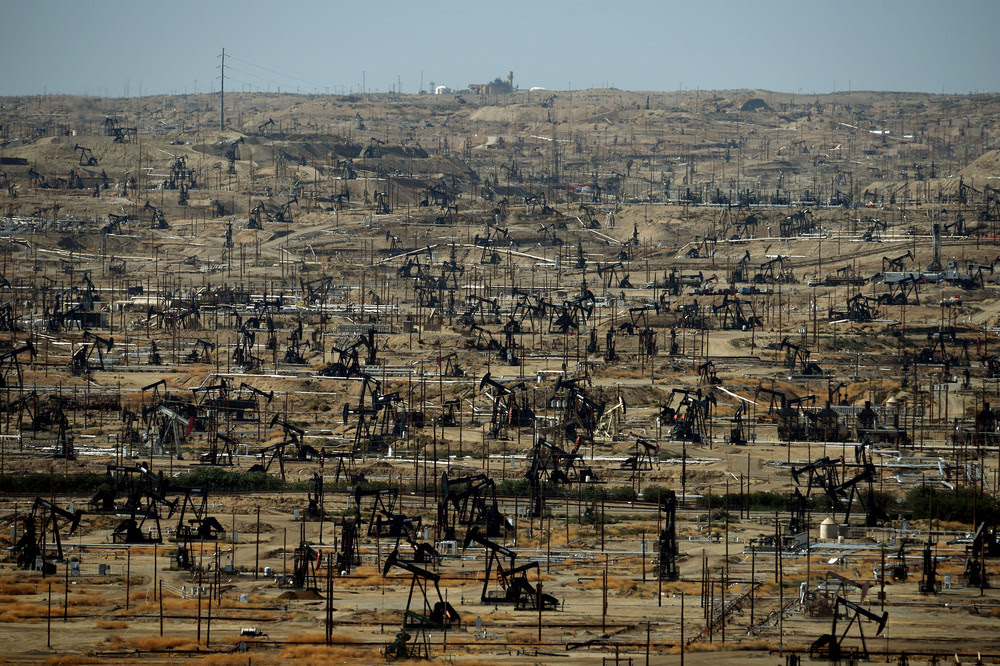
Currently, over 2.7 million people live within 3,200 feet of an operational oil well in California.
That’s why it was a millstone to have Senate Bill (SB) 1137, become law. This groundbreaking law created 3,200 feet safety set back buffer zones for homes, schools, hospitals and prisons for all new permitted wells. But last year the California Independent Petroleum Association collected enough petition signatures to put that law on the ballot as a referendum this November.
For decades environmental justice communities across California have been fighting for their basic right to breathe fresh air. These communities have been forced to live and work filling their lungs with toxic fumes. They’ve endured spills, and leaks from neighboring oil wells and idle wells.
“People have lost their lives prematurely because they were raised within a zip code that has oil or gas wells. It’s outrageous that the fifth largest economy in the world still has these sacrifice zones. People’s lives should always come before corporate profits,” said Christian Brock, CEO of Elected Officials to Protect America (EOPA), Air Force Veteran. “We will continue to fight for safety setbacks, and plugging idle wells that leak toxic methane, as we work towards a 100 percent clean energy economy.”

Elected Officials to Protect America (EOPA) California has been fighting for these communities since 2017. EOPA California gathered 488 signatures from elected officials from 49 counties across the state to create safety setback zones, amongst other measures on the road to a 100 percent clean energy economy.
As Culver City’s Mayor, and previously City Councilwoman, Meghan Sahli-Wells was successful in helping enact a law that stopped all new drilling, and phases out existing drilling over the next five years in the Inglewood Oil Field in Culver City while ensuring a just transition for workers.
She knows what living next to oil and gas wells can do to families and workers.
“Communities fought hard to put an end to the insane practice of oil drilling next to kindergartens, homes and churches. But Big Oil and Gas spent over $20 million to undermine the people of California with a referendum,” said Meghan Sahli-Wells, former Culver City Mayor, EOPA California Director. “These fossil fuel giants want to keep poisoning us where we learn, play, live and worship to ensure their profit margins. We may not have their money, but we do have our voices and our votes to show these corporations that their polluting practices do not belong in our neighborhoods.”
The state’s own independent scientific analysis of oil production found that proximity to oil production sites increases exposure to toxic chemicals and recommended science-based setbacks separating oil wells from sensitive land uses to protect public health.
California is also facing an urgent climate and public health crisis with over 40,000 oil wells sitting idle, leaking methane and volatile organic compounds into the air, water, soil affecting communities. By one estimate, about two-thirds of unplugged oil and gas wells in California are leaking methane.
These idle wells are overwhelmingly located in rural and predominantly Latino counties with household incomes that are far lower than the state average. The facts are clear — this serious problem is getting worse and can’t be ignored.

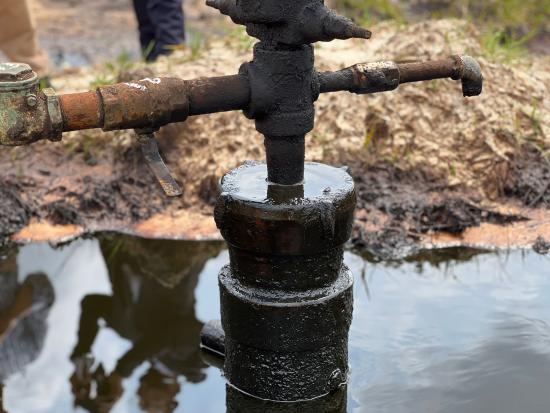
According to a 2023 report from Sierra Club California, plugging all of California’s onshore oil and gas wells would cost about $23 billion. Yet the oil industry has set aside only $106 million in bonds, according to an analysis by Carbon Tracker.
The Sierra Club report shows that three oil companies- Chevron, Aera Energy, and California Resources Corporation are responsible for 68 percent of the state’s current idle wells and have more than enough money to pay to clean up their mess. But they don’t. Instead, they delay or evade responsibility. Oil companies have relied on lack of enforcement and oversight in order to leave behind wells for taxpayers to clean up. Some oil companies have declared bankruptcy and have walked away from their legal cleanup obligations, leaving taxpayers on the hook for millions of dollars.
Current Idle well CA legislation—
Assemblymember Isaac G. Bryan submitted legislation, AB 2716 The Low-Producing Well Accountability Act, that would charge companies $10,000 per day for oil wells producing less than 15 barrels per day. These “stripper wells” are at the end of their economically useful life, and are located within a half mile of a community. Right now, it is cheaper for drillers to keep them running with low production than to plug them at a cost of $100,000 or more per well.
By comparison, half of the country’s oil and gas production between 2012 and 2022 came from wells that produced between 100 and 3,200 barrels per day, according to the Energy Information Administration. An onshore well that produces between 1,000 and 3,000 barrels of oil a day is considered a good production range.
Councilmember Ahmad Zahra, said Assembly Bill 2716 would incentivize their closure by charging companies $10,000 a day to operate these “stripper wells.”
“We have over 40,000 oil wells currently sitting orphaned or idle, leaking methane and volatile organic compounds into the air, water and soil,” said Ahmad Zahra, Fullerton Councilmember, EOPA CA Leadership Council. “There is no accountability for this reckless drilling that continues to endanger the health of people living and working near oil and gas wells. It’s simple, oil companies have been keeping these low production wells operational because they don’t want to pay to plug them. These same drillers are challenging the safety set back law of 3,200 feet on new permits at the ballot box. With record profits, and a history of spreading misinformation about their product’s health dangers for the public, it’s time to hold these corporations accountable, and defend the health of our families.”
Additionally Assemblymember Gregg Hart has introduced bill AB1866, that would require operators to plug a significant portion of their existing idle wells or be subject to penalty. The largest operators will be required to plug 20 percent of their idle wells per year, while medium and small operators must plug 15 percent and 10 percent per year, respectively. The law would also eliminate the option to pay an idle well fee, allowed under existing law to avoid plugging requirements.
Most don’t realize that plugging these wells can catalyze economic revitalization through the creation of tens of thousands of jobs. A new map from the Make Polluters Pay coalition shows more than 24,000 jobs can be created through idle well remediation operations in California. The bill’s requirements would result in the top five operators — California Resources Corporation-Aera, Chevron, Berry Petroleum, Sentinel Peak Resources, and E&B Natural Resources Management Corp — plugging more than 4,200 idle wells in just the first year of the law’s implementation.

New Mexico—
New Mexico has more than 62,000 oil and gas operations. As the second-largest oil-producing state in the country and one of the leading gas producers, New Mexico is responsible for over 50 percent more greenhouse gas emissions than the national average. Oil and gas extraction has pushed air pollution levels so high in southeast New Mexico that the state’s Permian Basin region is now violating federal smog standards.
Oil and gas wells in New Mexico sit abandoned in both the northwest San Juan Basin and southeast Permian Basin oil fields. These 1,700 abandoned wells remain unplugged on state and privately-owned land with even more on federal and Tribal lands.
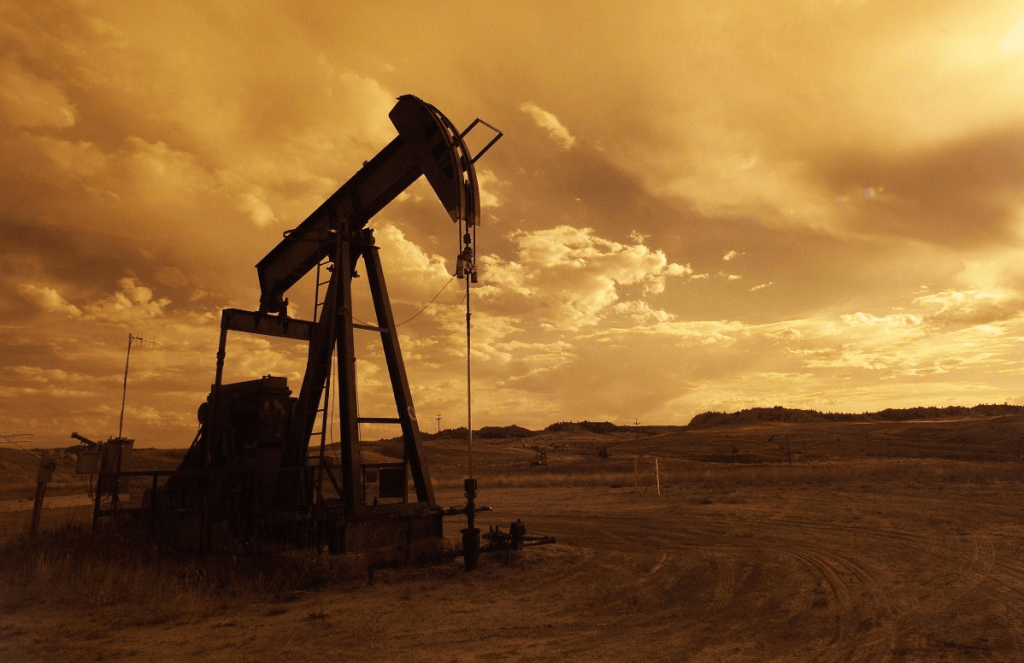
Oil and gas production and their revenues have skyrocketed in New Mexico in the past decade. But oil and gas companies have failed to clean up after themselves leaving a toxic legacy of unplugged idle wells, mainly in Tribal communities and other historically overburdened communities. Many lands with idle wells are sacred, being part of what the Navajo people refer to as the Dinétah, areas that contain sites and landscapes referenced in the sacred stories.
“We’re already experiencing the dire impacts of the climate crisis. We absolutely have to cut back on the amount of methane, a climate super-pollutant over 80 times more climate-heating than carbon dioxide over the short term. As long as it continues to be released into our atmosphere, be it from idle wells, or wells in our communities that should have safety setbacks around them our people and planet are at risk. This is about the health and wellbeing of our communities and our ability to protect those we serve now and into the future. We must take action,” said Stephanie Garcia Richard, New Mexico Commissioner of Public Lands, EOPA NM Leadership Council.
As in California, one of the ways that wells become orphaned is through bankruptcy, leaving the clean-up bill to taxpayers.
“The climate crisis has been fueled by the oil and gas industry that rakes in billions. They can well afford to clean up their idle wells that are actively spreading methane and other toxins in the land, water and air. The lives of our children, their families, healthcare workers, teachers, community leaders, literally everyone in environmental justice communities who live or work within 3,200 feet of oil or gas operations are at risk from the toxic pollution these fossil fuel operations cause every day,” said New Mexico State Representative Debbie Sariñana, EOPA State Director, Air Force Veteran, former school teacher. “We have a duty to all who live in New Mexico to protect the lives and livelihoods of our people, and be responsible caretakers of the land and waters.”

Well operation near a school and community in NM. Courtesy photo
The Oil and Gas Threat Map shows over 144,000 people in New Mexico live within a half-mile of an oil and gas facility, including 20 percent of the state’s Indigenous residents. This threat radius is correlated with adverse health outcomes, including cancer, respiratory illness, fetal defects, blood disorders, and neurological problems stemming from methane and chemicals associated with oil and gas production.
Methane in New Mexico also leaks from the industries abandoned infrastructure like separator container tanks and overflow tanks, creating puddles of thick black liquid on the ground laced with chemicals.
“Air pollution knows no boundaries. Scientific studies show a direct link between drilling and a long list of health problems, from chronic asthma and cancers to preterm births,” said Tara Lujan, New Mexico State Representative, EOPA New Mexico Leadership Council. “Children and their families are needlessly suffering because of oil and gas corporations. It’s outrageous. It is our moral obligation to fight for these frontline communities and ensure that these oil and gas companies stop taking advantage of our people and natural resources. We must hold them accountable.”
Rep. Lujan said one of the major reasons why she ran for office was to hold the fossil fuel corporations accountable for their actions that are polluting frontline communities. She said her daughter has asthma because of this pollution and when she was five asked her why there are people who wished to harm her.
While there has been legislation submitted for setbacks and other measures that would hold the oil corporations accountable for their devastation to the land and people of New Mexico, the majority of these measures haven’t been successful yet.
This year the legislature did manage to get a NM study underway that will explore and quantify the dangers of oil and gas wells near communities. Additionally, the NM Land Commission has a set back safety zone in effect for all NM public lands of which 2 million are leased to oil and gas companies.
A coalition of elected officials’ makeup EOPA’s NM Leadership Council who are determined to change how New Mexico gets energy from dirty fossil fuels, and to bring justice to communities who have been suffering. They are working to transition the state to clean renewables. The EOPA New Mexico Leadership Council is made up of 18 state lawmakers, the NM Land Commissioner, and a city council member.