

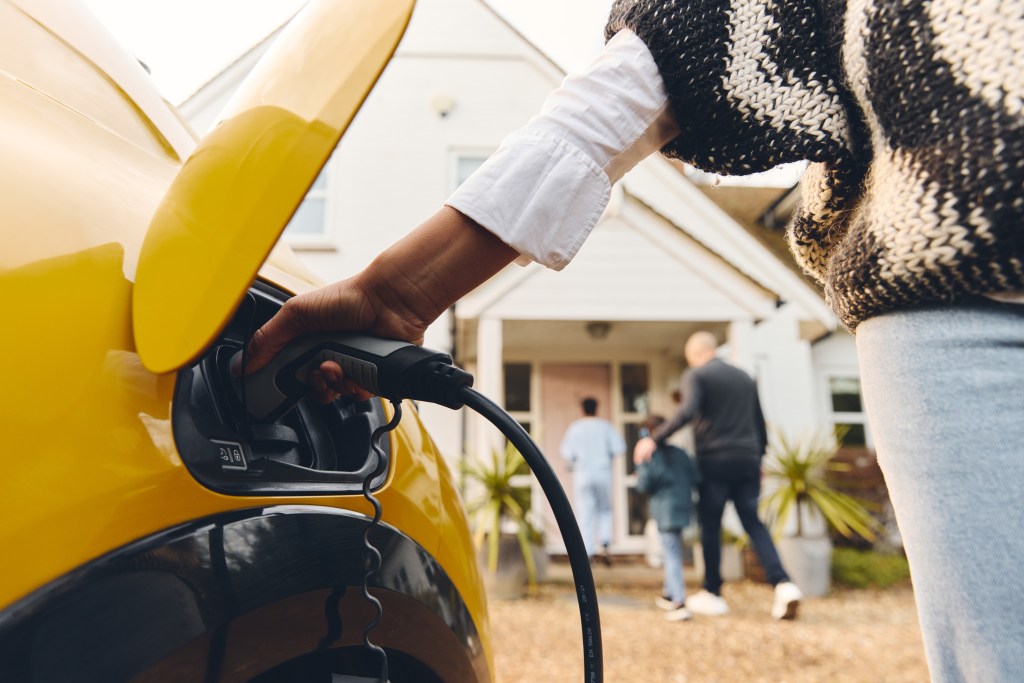
Over the past few years, the U.S. electric vehicle adoption curve has accelerated. The country passed 1 % adoption in 2017, 5% in 2022, and 10% in 2023. (Southworks/Adobe Stock)
Listen to the story HERE.
By Chrystal Blair
Oct 14, 2025
A new report shows federal laws like the Infrastructure Investment and Jobs Act and the Inflation Reduction Act have fueled clean transportation progress, in Michigan and nationwide.
The report is from the research firm Atlas Public Policy.
In Michigan, more than 1,400 electric vehicle charging stations have been installed and billions in federal funds have created more than 26,000 jobs.
Tina Hodges, senior policy analyst for Atlas Public Policy, said one key part of the clean transportation effort is making sure drivers feel confident they can get where they’re going.
“We found large benefits with cleaner air, new manufacturing jobs and transportation benefits, affordable ways to get around,” Hodges reported. “Where we are right now is, this is a key moment for Congress to decide whether they’ll continue to fund these clean transportation programs.”
However, opponents warned the cost is steep and rural communities could be left behind. They argued the shift toward public transit, walking and biking often benefits urban areas more than others. Critics also questioned whether the power grid can handle the added load as more drivers plug in.
Even so, Michigan has set a goal of installing 100,000 chargers by 2030 to support 2 million electric vehicles, saying a stronger charging network is key to easing “range anxiety” and helping more drivers make the switch.
Hodges contended visible progress on the ground is helping build public confidence in the nation’s shift toward cleaner vehicles.
“Thankfully, the number of EV charging stations out there has grown really rapidly over the last few years,” Hodges pointed out. “These clean transportation investments have been part of that. They sent a strong signal that there was public support.”
Although there are concerns about government overspending and cost to taxpayers, the report said federal funding is still driving a shift toward a cleaner and more connected future.