

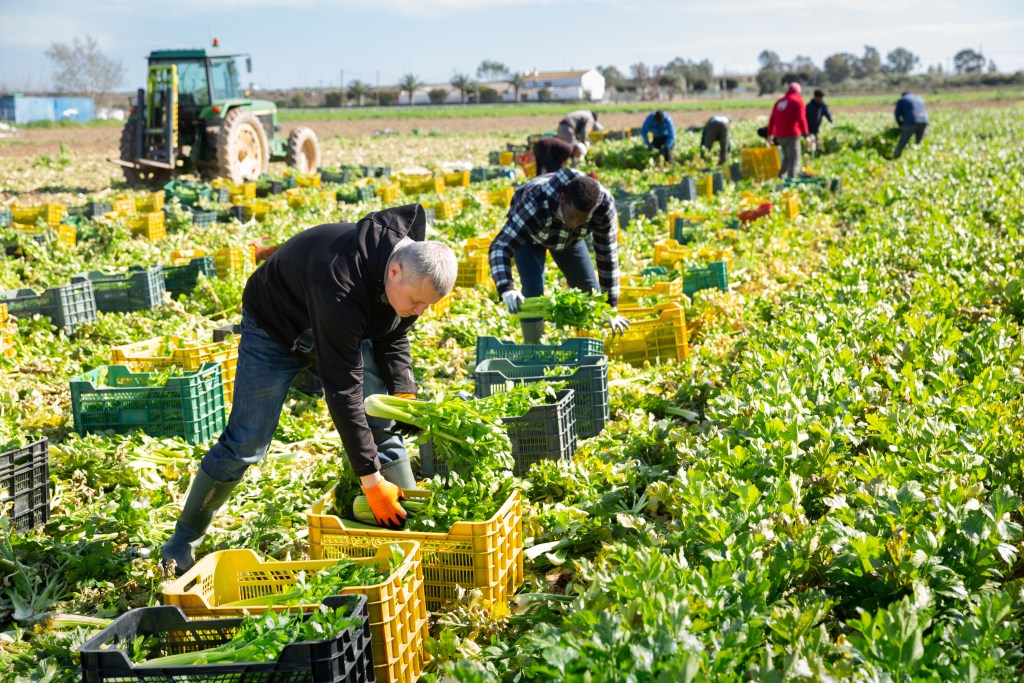
Cuts to Medicaid and SNAP could cost Pennsylvania about 50,000 jobs and $477 million in tax revenue by 2029, straining budgets for education and social services. (JackF/Adobe Stock)
Listen to the story HERE
By Danielle Smith
Aug 28, 2025
Pennsylvania farmers warned cuts in the One Big Beautiful Bill Act to safety net programs will hurt both low-income families and the growers who feed them.
About 144,000 people in Pennsylvania are at risk of losing SNAP benefits and more than 310,000 would lose Medicaid coverage.
Jane Kaminski, co-owner of John Paul Farm in Indiana County, said SNAP cuts could be the biggest hit to her organic farm under the bill.
“My farm serves people in a community where there are folks who depend on SNAP to purchase fresh healthy food from my farm and other farms in the area,” Kaminski explained. “A reduction in benefits could very well mean a reduction in revenue.”
Kaminski pointed out earlier this year, federal cuts to the Farmers Market Nutrition Program serving seniors and WIC families hurt farmers and limited access to fresh food for low-income shoppers. Nationwide, the law is set to cut $880 billion from Medicaid and $230 billion from the Supplemental Nutrition Assistance Program over 10 years. Pennsylvania’s $132 billion agricultural economy includes more than 50,000 farms and nearly 600,000 jobs.
Michelle Hughes, co-executive director of the National Young Farmers Coalition, said the law undermines the foundation of a resilient food system. She noted health care costs are a major barrier to staying in agriculture, and the cuts to Medicaid and SNAP will drive even more farmers out of the field.
“You’ve got farmers who rely on food stamps as a market driver,” Hughes observed. “Many farmers markets, local grocers and even CSAs (Community Supported Agriculture) can take SNAP and rely on it as an income stream. With reductions to SNAP, farmers’ bottom line will be impacted, as well as the consumers who rely on it to purchase food. Some farmers are on food stamps themselves and rely on Medicaid for their health insurance.”
Hughes warned the cuts, combined with fewer free school meals, will drive up hunger in Pennsylvania, especially in rural communities.
Hughes noted with setbacks at the federal level, her group is working to protect existing programs. She added they are also focused on connecting farmers with resources and building community support.
“We administer a farmer mental health program called FRSAN-NE that focuses on holistic wellness for farmers and farmworkers due to financial and other stressors. It’s the place we’re hoping to have the greatest impact right now.”