

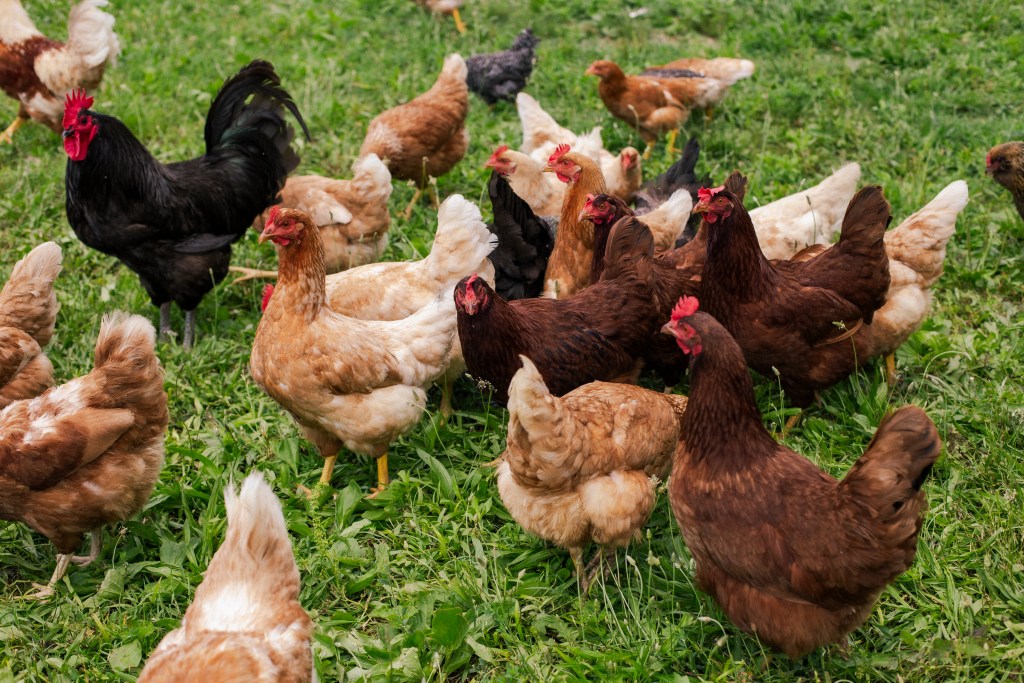
North Carolina ranks in the top ten for most livestock in both poultry and hogs. (Ruth/Adobe Stock)
Listen to the story here
By Eric Tegethoff
Apr 17, 2025
The treatment of manure runoff in drinking water sources is a health threat in North Carolina and across the country, according to a new report. A disinfectant byproduct from treating water is trihalomethane, which can be toxic at high levels. The Environmental Working Group’s report on the chemical ranked North Carolina seventh for most water systems testing at or above the U-S Environmental Protection Agency’s maximum standard.
Anne Schechinger, Midwest director of Environmental Working Group , said manure applied to hog and poultry farm fields in North Carolina runs off to bodies of water used for drinking water, which utilities clean.
“Then, the chlorine or other disinfectants react with the organic matter that’s in the manure that washed off farm fields, and so then this can trigger the production of these disinfection byproduct chemicals,” she explained.
Four percent of North Carolina’s water systems, serving more than 4.2 million people, tested at or above the trihalomethane limit between 2019 and 2023, according to the report. The Environmental Working Group found more than 122 million people across the U.S. are affected. Schechinger said there are major health risks associated with trihalomethanes.
“The reason why we care is because of these health harms of disinfection byproduct chemicals. So they can cause cancer and they can also cause issues during pregnancy with fetuses like low-birth weight or cardiovascular defects,” she continued.
Schechinger urged the Trump administration to unfreeze federal conservation funding for farmers that could help solve this issue. She also notes that only the largest animal operation facilities are regulated by the EPA and require manure management plans.
“States could require more of these facilities that aren’t quite as big as the largest ones to have a manure management plan, and that would be another good step to start to reduce some of this manure that’s running off fields and getting into water and triggering this problem,” she added.