

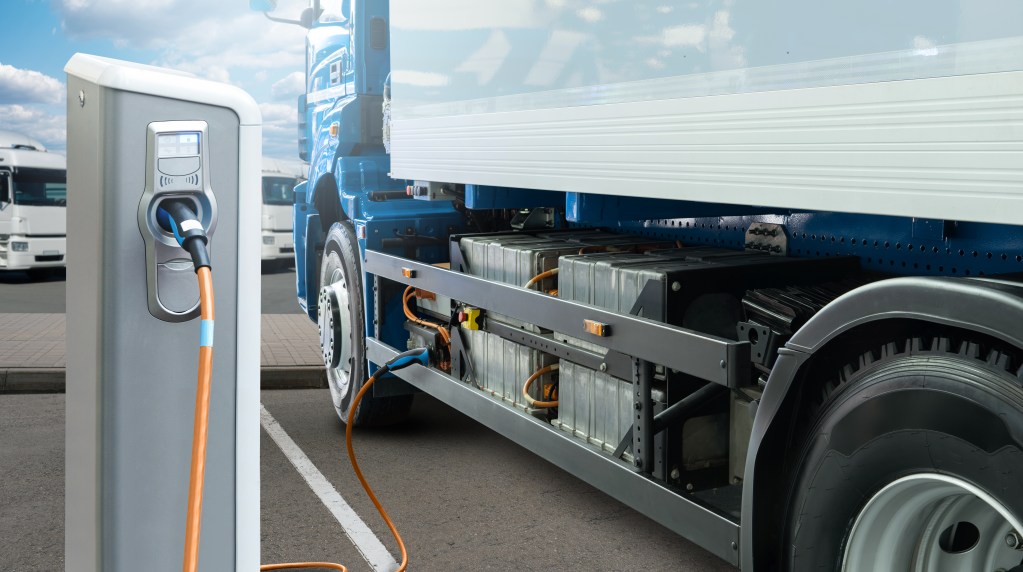
The state of Arizona could reduce greenhouse gas emissions by 98,000 tons if it electrified its vehicle fleet, according to the Arizona Public Interest Research Group Education Fund. (Adobe Stock)
Listen to the story HERE
Aug 17, 2025
By Mark Moran
In the face of the Trump administration’s elimination of a host of alternative energy tax incentives, policy analysts in Arizona say cities and towns in the state could still save taxpayers as much as $100 million in fuel costs, and provide health benefits over the next decade, by investing in electric vehicles.
State and local governments in Arizona own more than 100,000 vehicles, with more than 7,500 in the state’s fleet.
Arizona Public Interest Research Group Education Fund Executive Director Diane Brown said most of the savings would come from towns and cities replacing gas-burning SUV’s, light trucks, and cars with electric powered ones.
“Most of Arizona’s fleet vehicles, from sedans to pickup trucks to construction vehicles,” said Brown, “are internal combustion engine vehicles that use gas or diesel.”
Which, Brown said, are not only costly to fuel and maintain, but are also not as environmentally friendly as electric vehicles.
The Arizona PIRG Education Fund estimates that state and local governments could save at least a million barrels of oil, and cut nitrogen oxide and volatile organic compounds by a half million pounds.
Wind and solar incentives were largely eliminated in the federal budget bill, and have a direct impact on a state that is working bolster those sectors of the alternative energy industry. Clean energy vehicle incentives also took a hit.
But Browne said moving ahead with a transition is still best for Arizona taxpayers.
“State and local governments may not recognize,” said Brown, “that even without the federal tax incentives, significant money can be saved for taxpayers by transitioning their fleet.”
Brown added that Arizona utility companies are offering incentives and technical assistance for state and local government agencies that decide to transition their vehicles.
The Trump administration has shifted the nation’s energy policy to become more fossil fuel dependent.