

The Hopi Reservation in Northern Arizona is about 1.5 million acres in size, and comprises 12 villages. (Adobe Stock)
Listen to the story HERE.
By Mark Moran
Oct 12, 2025
Researchers at Arizona State University are creating reliable sources of renewable energy on the Hopi Reservation, and say the project could serve as a model for other rural areas.
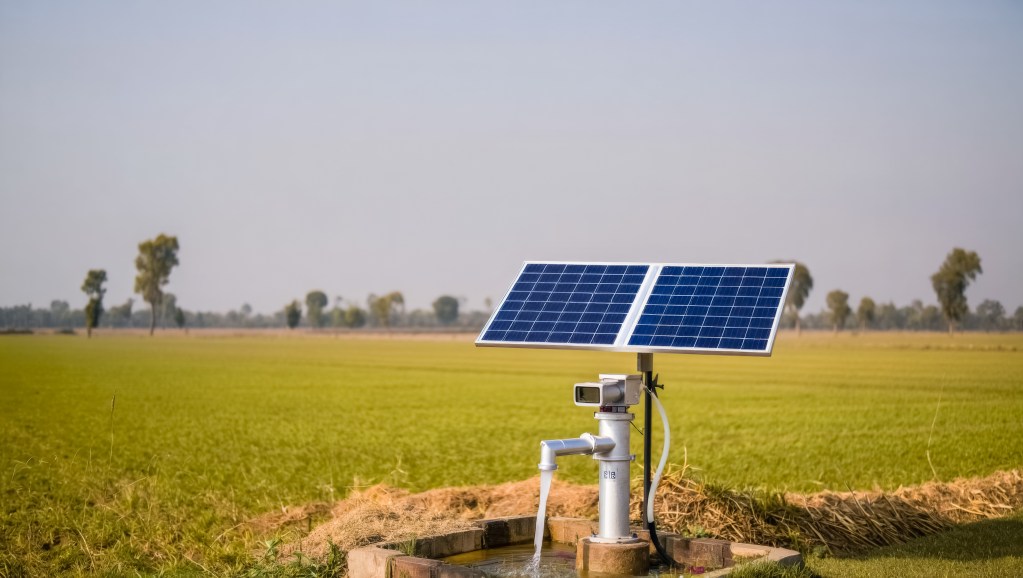
Alternative energy experts are creating a solar-powered micro grid to bring renewable and consistent power to a remote part of the state that, for generations, hasn’t had a lot of it.
Jacob Moore, an ASU vice president and special adviser on the project, said they’re helping people living in pueblo villages that are among the longest inhabited places in North America.
“Very much living off the grid, so to speak,” said Moore. “But opportunities in terms of economic development, education, health care – things where electricity is important in terms of helping, you know, the sustainability of these communities going forward.”
The solar microgrid is backed by a $9 million grant from the U.S. Department of Energy. Once it’s up and running, the Hopi Tribe Community Solar Project will use existing fossil fuel-based infrastructure to deliver the power.
Moore said the Hopi project could serve as a template for other rural areas struggling to find alternative energy sources while also meeting their community development goals.
“Our rural communities – whether it’s Alaska or Arizona or other places, certainly,” said Moore, “have forms of subsistence living, Hopi included, in terms of job creation or other opportunities, having access to things like electricity is important.”
He added that the microgrid will power 15 buildings at the reservation’s administrative complex that was built to provide essential services to the community, but has been struggling with access to consistent electricity.