



November 24, 2025
Op-ed by Mark Pinsley, Controller, Lehigh County, PN and Alec Connon, Stop the Money Pipeline coalition director
In recent weeks, we’ve had two painful reminders of the gravity of the climate crisis. Gorging on historically warm ocean water, Hurricane Melissa grew into one of the strongest storms on record and left a trail of devastation across the Caribbean. At the same time, The Lancet released a report documenting that climate-driven extreme heat is now killing one person every minute around the world.
As the climate crisis goes from bad to worse, President Trump attacks clean energy, boosts fossil fuels, and strips away environmental protections. This larceny from the federal government makes it even more critical that local and state governments do all they can to combat the climate crisis.
Fortunately, hundreds of cities across the country already have robust climate action plans and are working hard to reduce emissions from their buildings, transportation, and energy systems. But local governments can and must do more.
Local governments should wield their influence as market participants to encourage the private sector to support the energy transition. One of the most strategic areas where local governments can do this is in their dealings with the financial sector.
According to BloombergNEF, to achieve the goals of the Paris Agreement, banks should fund at least four times as much clean energy as fossil fuels over the 2020s. But last year, the largest US banks financed more fossil fuels than clean energy, even though global investment in clean energy was double that of fossil fuels.
Meanwhile, even as insurance companies respond to climate change by hiking rates and abandoning communities, they continue to underwrite and invest in the construction of new fossil fuel infrastructure projects, including coal-fired power plants, that will only make the climate-driven insurability crisis worse in the long run.
For a time, there were indications that the financial sector was taking the climate emergency seriously. Between 2015 and 2022, many banks and insurance companies passed restrictions on financing and insuring for certain fossil fuel sectors, announced commitments to achieving “net zero by 2050,” and adopted emissions reduction targets for their oil and gas business.
But then the backlash began. In 2023, Republican lawmakers in 37 states introduced 165 pieces of legislation to weaponize government funds and contracts to punish banks and other financial companies for taking small steps toward addressing climate risk. The so-called “anti-ESG” movement continued in 2024 and beyond.
In response, banks, insurance companies, and asset managers left climate alliances, pledged fealty to fossil fuels, and rolled back climate policies. The single most egregious rolling back of a climate promise so far has come from Wells Fargo.
In 2021, the Wells Fargo CEO, Charles Scharf, called climate change “one of the most urgent environmental and social issues of our time,” as he announced the bank’s commitment to achieving the goals of the Paris Agreement. Yet, within weeks of Trump taking office, Wells Fargo distinguished itself by becoming the only bank to drop its 2030 climate goals and 2050 Net Zero target.
If we are going to limit catastrophic global warming, the role of the financial sector is going to be critical, and if other major banks follow in Wells Fargo’s footsteps, it could set back the energy transition years. Fortunately, there are actions that local governments can take to protect and encourage climate action from the US financial sector at this critical time.
To act as a bulwark against further backsliding from Wall Street, local governments can pass legislation ensuring that they are using their power as market participants to nudge banks and insurance companies in the right direction.
For a start, local governments can ensure that any bank hired to take on new government business, including to underwrite new municipal bonds, either does not significantly contribute to the climate crisis through its lending and underwriting; or has, at a minimum, a climate target with a goal of “net zero by 2050” for its lending and underwriting activity.
Local governments can also follow the lead of companies, such as Seventh Generation, and begin measuring and disclosing their “financed emissions,” aka: the emissions associated with their cash and investments. In 2022, the esteemed climate leader Bill McKibben called financed emissions “the largest remaining source of huge and hidden carbon emissions in our economy.”. It’s about time local governments shed light on these hidden emissions and factored them into their climate work.
Furthermore, as communities around the country face skyrocketing insurance rate hikes, local governments can push the insurance industry to take climate risk more seriously by screening the insurers they work with for their climate performance. This is a step that numerous local governments have already taken, including Boulder County, CO; San Francisco and Los Angeles, CA; and Cambridge and Sommerville, MA.
Legislation of this sort would send an important market signal to the banking and insurance industries that climate action remains good for business. In the current political moment, such signals are more important than ever.
More about the authors
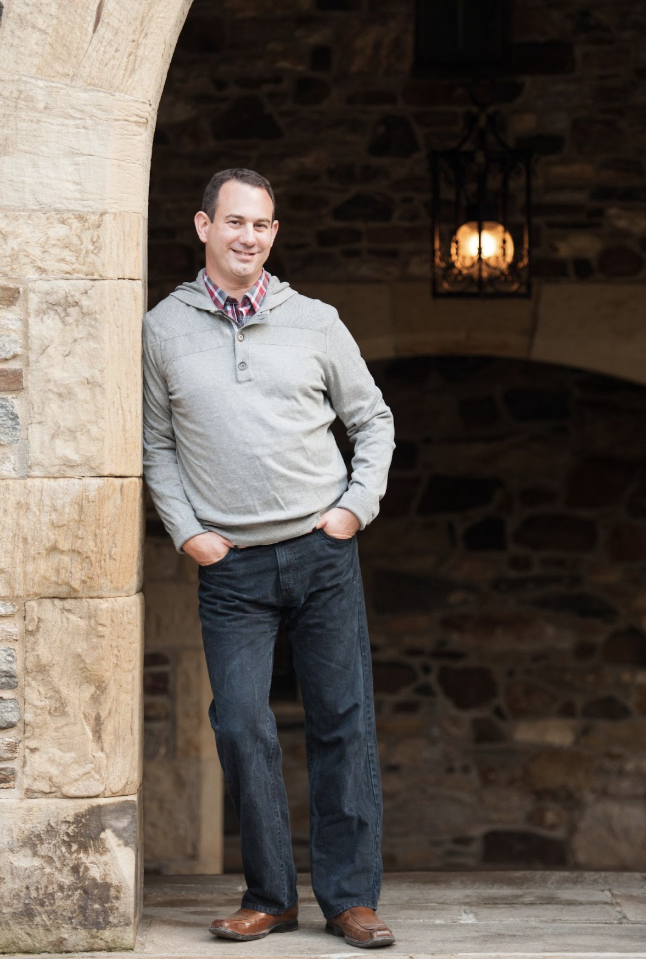
Mark Pinsley is the Controller of Lehigh County and a member of the County’s Pension Board.
Mark has devoted his political career to making government work for the people, not the powerful. His efforts have delivered tangible results, including cutting the county’s employee healthcare pharmacy costs by 40 percent.

Alec Connon is the Stop the Money Pipeline coalition director.
At Stop the Money Pipeline, he has helped build out the largest coalition in the country that is dedicated to ending financing for fossil fuels and he has developed campaigns that have won significant concessions from banks, insurance companies, and investors.
You can contact him at: alec@stopthemoneypipeline.com